City of 1000 Dreams 2


This Love Affair: jazzy vocals Vol. 11


Off and Running: Mx3 Weekly Subscriber-only Mixtape Nr.1
Subscribe to get access
Read more of this content when you subscribe today.
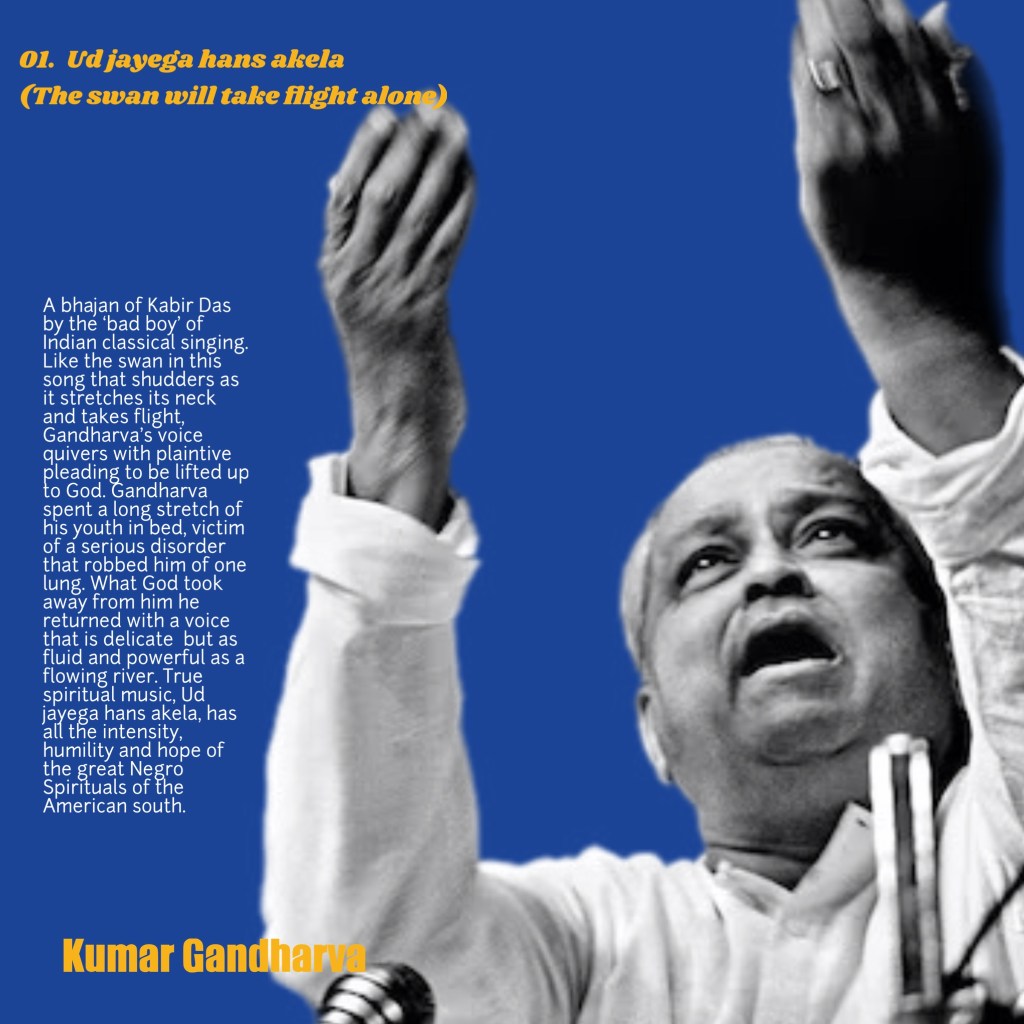
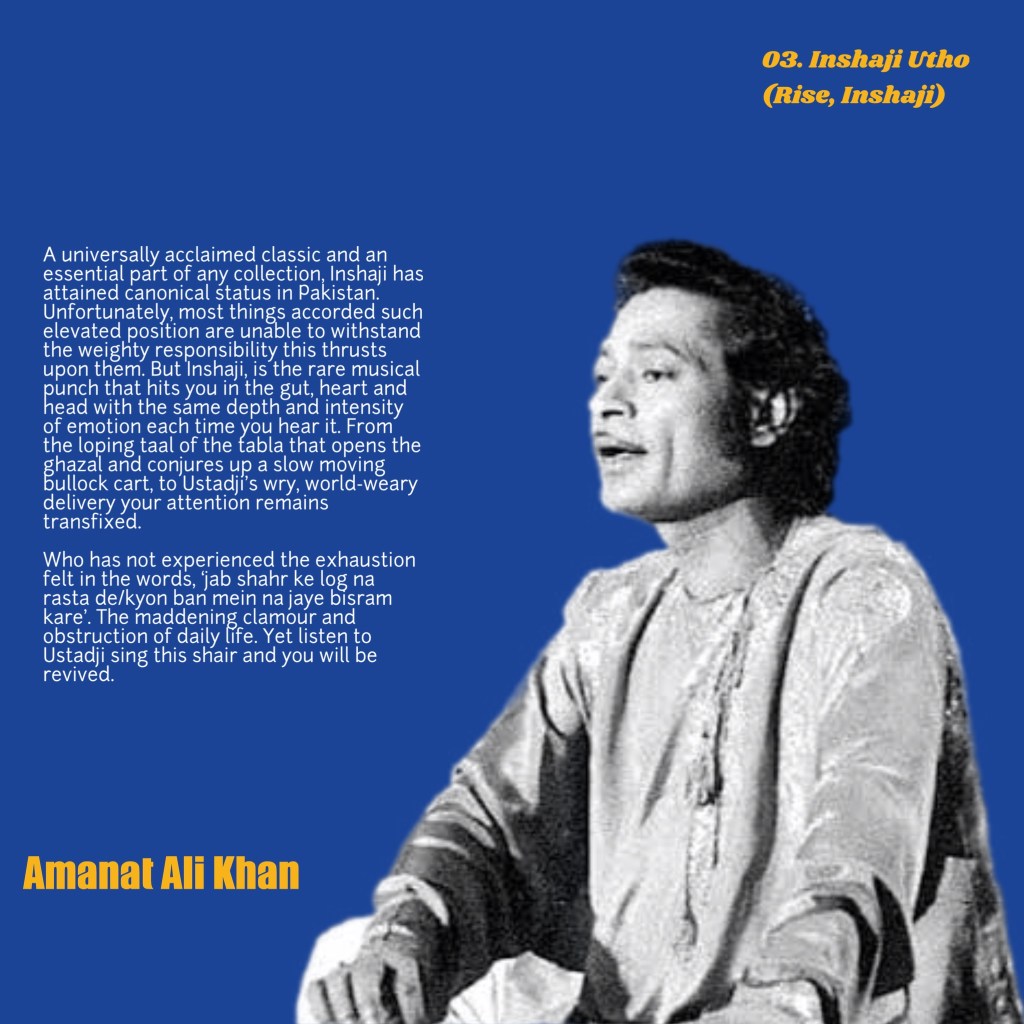
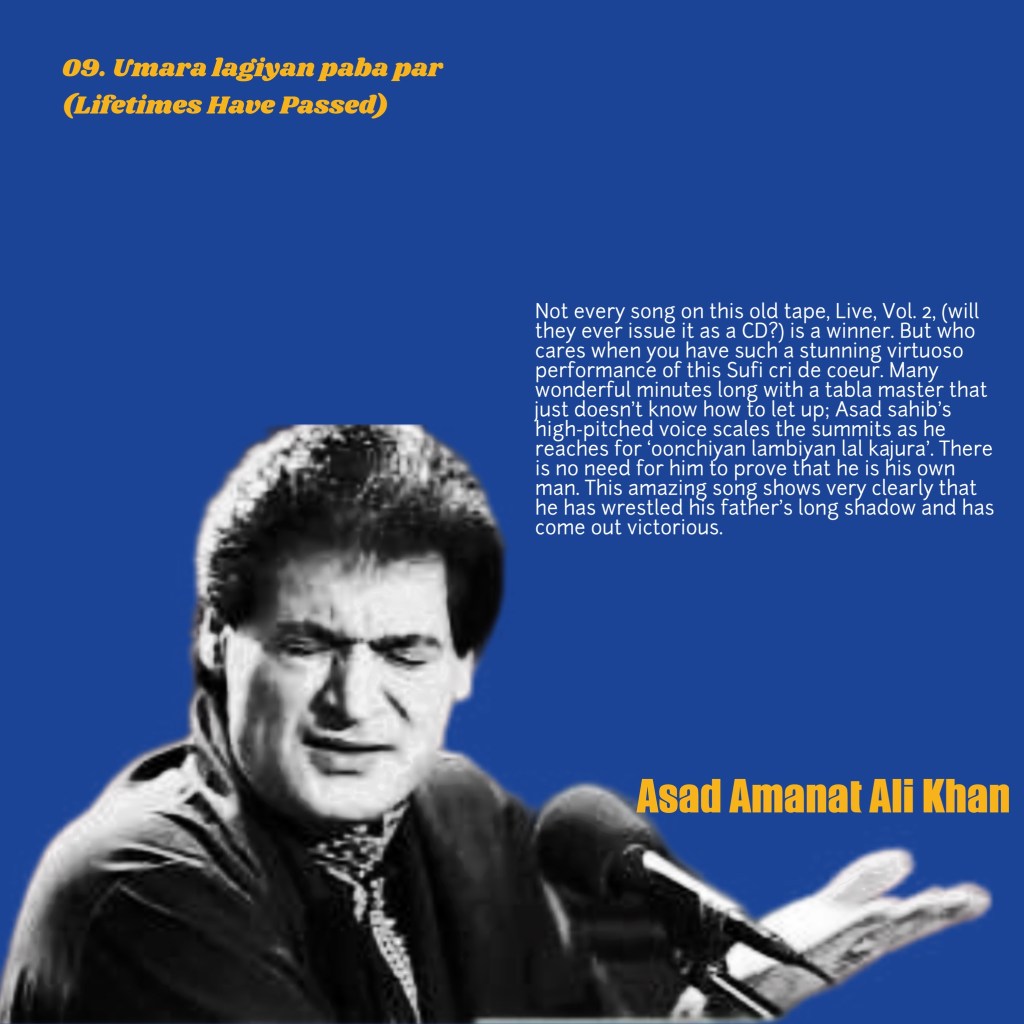
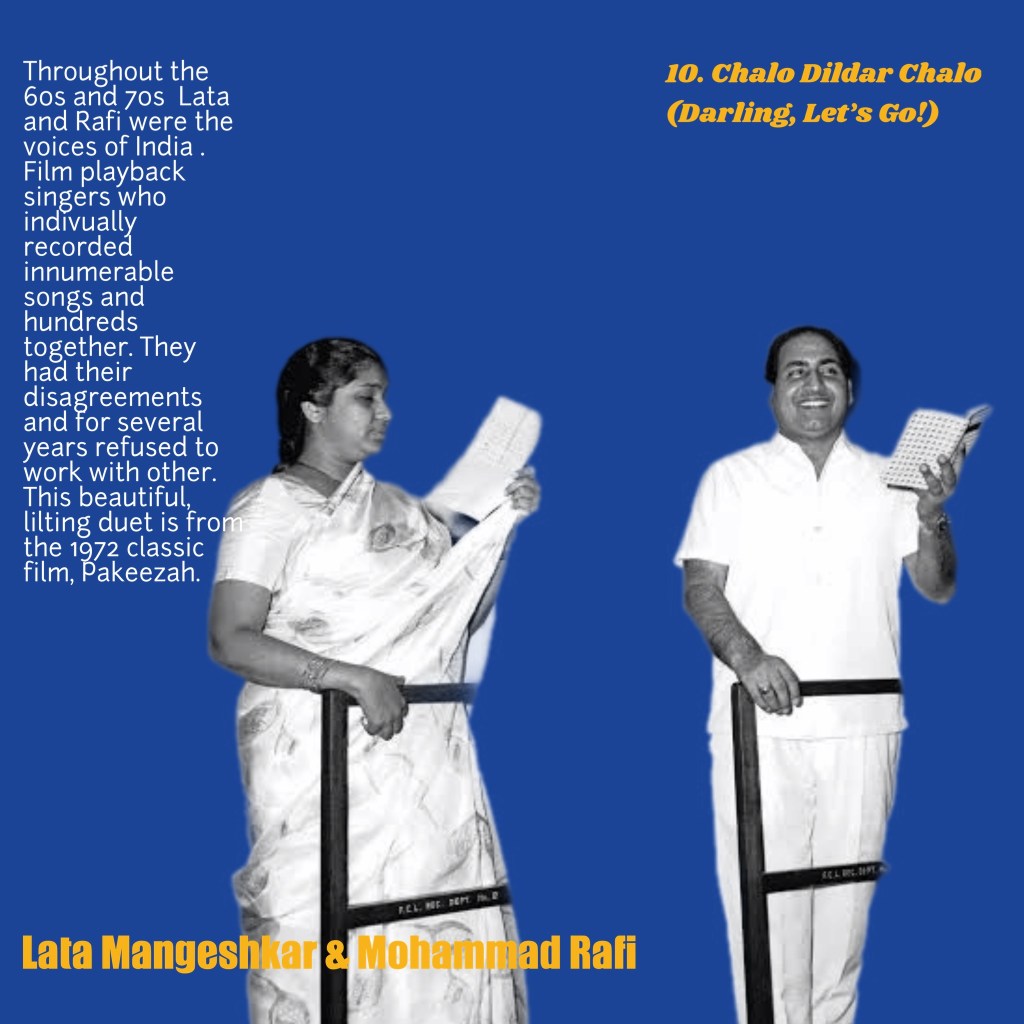
Top Songs from Pakistan and India



Fly Too High: a compendium of Janis Ian



The Night Bus to Tarbela


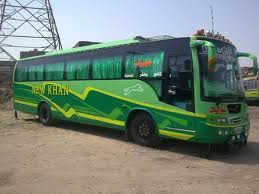
This photo was taken at the massive Pirwadahi bus station in Rawalpindi. It is from Pirwadahi that long haul buses commence and it is at Pirwadahi that they end their journeys. At least up it was until the early 1990s, when my time in Pakistan came to an end.
I took this photo at my favorite time of day, an hour or so before sunset. It was winter, probably January or February 1989/90 giving the light a warm golden hue. The bus’s windscreen and body had just been washed so the usual dust and streaks of wipers are not a hinderance.
Pakistani bus decorating is one of the country’s great folk arts. What often looks like garish sticker-mania in fact often can be decoded. In this instance starting from the lower left: a religious poster depicting Hazrat Hussain, the Prophet Mohammad’s (PBUH) grandson and spiritual icon to Shi’a Muslims all over the world. The large script at the top of the windscreen is a Q’ranic or other spiritual saying and at the very top you can the words 1988 Model. Signifying the year not of the manufacture of the bus but of the decorations. Multiple stickers of vases and flowers reference one of the most popular design motifs from the Persian world. Scholars find many pre-Islamic references and continuities in such images. In this case, I would imagine the bus’s owner (a Shi’a) has used the stickers merely as pretty decoration, just like the image of the two kittens in the far right lower corner. The open palm stickers, like in many ancient cultures, represent an attitude of blessing and protection as well as invitation. Signaling to the passengers, “Come in, god Bless and protect you on your journey.” As these iron behemoths are not insured, its about as much assurance as you can expect. The calligraphy that balances the Hussain poster notes the destination of the bus, Tarbela Dam, one of Pakistan’s major pieces of infrastructure completed between 1968 and 1976. The pièce de ré·sis·tance is the pair of drapes which can be pulled close when the sun is too bright!
The following piece appeared first on my original blog Washerman’s Dog (17 May 2012). It included a mixtape of music you would be likely to hear on such a trip. The road system in Pakistan has improved immensely since I lived there (’86-’91.) And the music is a bit dated to that era. If you would like to download that mixtape check out the Downloads page.
When I first landed up in Pakistan I was surprised to discover that the way you got around between major cities was not by train, as in India, but by road. Unless your destination was Karachi or Quetta, in which case you flew. And for your road trips you had several choices of transport: bus, Flying Coach or wagon.
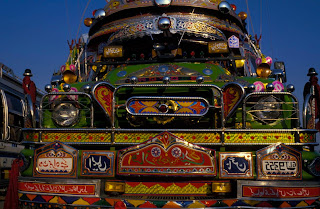
Bus: usually a Bedford, gloriously liveried in multiple colours, decorated with beaten tin, twinkling lights, curtains, festooned with flowers (plastic, real and painted) and covered with pithy aphorisms like ‘Maa ki dua/Jannat ki hawa’ (A mother’s prayer is a breeze from heaven). Clientele: general public; those who have more time and less money.
Flying Coach: a no-nonsense and business-like large Mazda or Toyota mini-bus with hydraulic doors that sigh when they open, excellent air conditioning and in most instances reclining seats. Clientele: businessmen, foreign students; those who want to get ‘there’ quick.

Wagon: a Ford van imported from England by Kashmiris. Painted only one colour. Body dented. A few perfunctory invocations of Allah’s blessing on the front. Seats hard. No aircon. Clientele: the slightly better off member of the general public; those with high-risk appetites.
One of the several issues confronting those who choose to travel long distance by road in Pakistan is that the vehicles (with the exception of the Bedford buses) are imported. They can move quite quickly and powerfully, designed as they are for motorways in Japan or UK. The Pakistani highways, alas, are narrow, rutted, poorly lit and crowded. The combination, especially when blended with a driver who is exhausted, just learning his trade or stoned on charas (all three at once, is a permutation I’ve encountered) can give rise to anxiety.
I shall never forget the dear driver (with me in front seat right beside him) who, as we sped into the fast-setting sun that nearly blinded us, decided to change the cassette and light a cigarette at the same time. He did it! And we made it to Gilgit in one piece 12 hours later!
For some reason whenever I found myself on the road it was evening heading into night. Though the hazards increased significantly once the sun went down, I found barreling through the night in some strange way, relaxing and appealing. Probably because there was inevitably a good concert of music to be had. After the first 45 minutes of the journey, most passengers were nodding off or whispering quietly to their companions. The driver would light another cigarette and turn up the cassette and entertain us with a selection of current and evergreen hits.
Inevitably, the concert would include the patron saint of all vehicle drivers, Attaullah Khan Niazi. Indian film music, qawwali and few sharabi ghazals, some folk and other odds and ends like a piece or two from the driver’s home region, often the Northern Areas around Gilgit.
I loved those trips because I was introduced, anonymously, to so much good music.
 Missionaries, Mercenaries and Misfits