One Night Stand


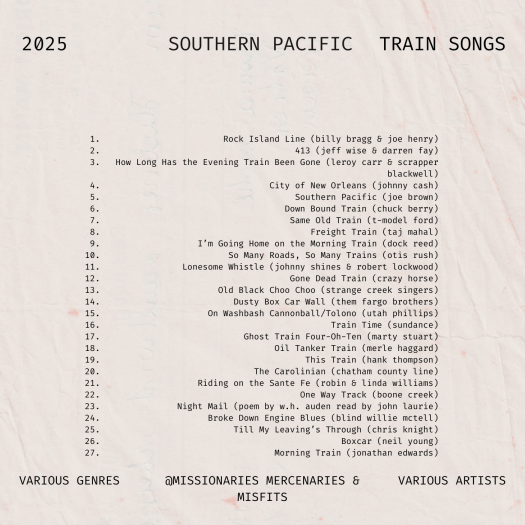
Southern Pacific: trainsongs 2

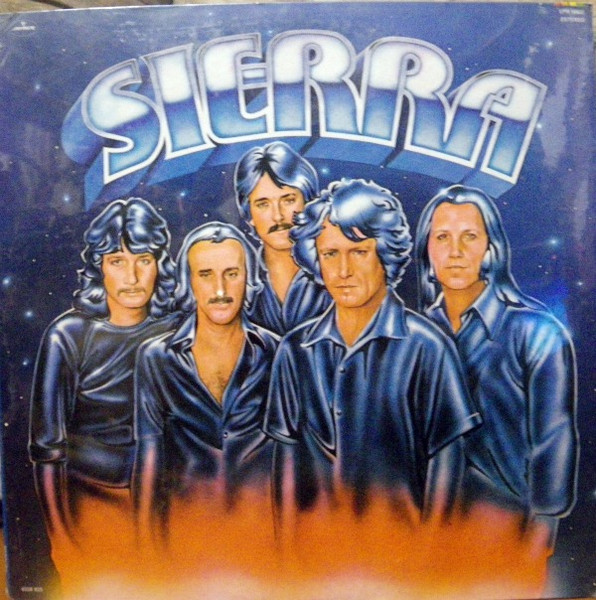
Sierra by Sierra
One of those albums that sunk like a stone. Released and then gone. Mores the pity, because this collection of 11 songs by Sierra is more than just alright.

Sierra was a single-album band of refugees from a bunch of country-rock and rock bands of the late 60s. By 1977, when their only and self-titled record was unleashed upon the buying public by Mercury, the individual players were in the sort of professional limbo that comes about regularly but is usually swept under the carpet in the biography. Which is too bad and a bit unfair, because Sierra was made up of some formidable names with very respectable curricula vitae.
Gib Guilbeau, on rhythm guitar, had played in a whole series of country-rock and proto-Americana bands like The Flying Burrito Brothers, Swampwater and the legendary Nashville West. On drums, Mickey McGee had credits as the drummer for Jackson Browne (Take it Easy), JD Souther, Linda Ronstadt, Chris Darrow, and Lee Clayton (Ladies Love Outlaws), not to mention an early country-rock outfit Goosecreek Symphony. Oh, and late Flying Burrito Brothers! Eddie’s nephew Bobby Cochran contributes blistering lead guitar and lead vocals. ‘Sneaky’ Pete Kleinow’s steel has graced hundreds of rock and country rock albums and was first brought to wide attention as a founding member of The Burrito Bros and New Riders of the Purple Sage. On bass, Thad Maxwell, another vet of the 68-75 scene, and band fellow of Gib in Swampwater. Felix Pappalardo Jr. produced and contributed piano parts. A storied figure, throughout out his life Pappalardi supported or produced everyone from Tom Paxton to Cream, not to mention his own weighty Mountain.
So, no slouches these guys. They were not suburban lads looking for a break. Their combined talent and credits were formidable. In the parlance of job advertisements they had a “proven track record” of making excellent music.
But alas, here the sum of the parts didn’t add up. Which is not to say this a shit album. Far from it. Sierra is a very good record of late 70s American pop and deserves to be hauled up from the bottom of the deep lake of forgotten country-rockers.
The art work is a put-off and no doubt played a big part in the record’s stillbirth. A perfect example of a cover designed by some free lance artist with no idea about the sort of band Sierra was. Many styles did they play, but spacey country-disco was not one of them. You could be forgiven however for thinking this was in fact, their speciality, if you had access only to the dumb, lifeless cover art.
On the black wax we are treated to high quality examples of soft rock (Gina; If I Could Only Get to You), So Cal country-rock (Farmer’s Daughter; She’s the Tall One), British blues (I Found Love), top 40 slick pop (Honey Dew), boogie, rock ‘n’ roll (Strange Here in the Night; I’d Rather be With You) all sauted in the spicey warmth of the Tower of Power horns. (In this era if you were good enough to entice the ToP to record with you, you were ensured at least one extra star from the reviewer.)
But it didn’t work. The album suffered not from a dearth of talent or poor production. It sank because it had no focus. Spaghetti was all over the wall, perfectly al -dente no doubt, but spread across too wide a plane. For country-rockers in search of Gilded Palace of Sin or even One of These Nights, this was bland stuff. Waaay too poppy, man!
But for this old guy living 50 years in the future, and slightly anxious about the coming extinction of human made music, Sierra deserves 7 stars out of ten, for capturing several trends of America popular music current in 1977. Especially the eternal wrestle between Country and Rawk.
There are some blatant and pointless rip-offs like You Give Me Lovin, which is essentially a copy of the Eagles, Already Gone, but what did more than the front cover to kill this album, is its refusal to rise above the very good level. The album should really have been titled, Bob Cochran and Sierra, as he is the real star. It is Bob (the only non ex-Burrito), who shows the most excitement here. His guitar is sharp and always stands out. His high-tenor voice fits perfectly in both soft rock and pop—audiences the record label was clearly trying to attract. Sadly, the band of sages behind him seem content to play perfectly, expertly, confidently but, alas, with very little real energy or pizzaz.
Ratings:
Musicianship-8/10
Listenability-8/10
Energy: 6/10
Songwriting: 5/10
Cover: 3/10
Historic Value*: 7.5/10
*a subjective ranking of combined significance & interest to the history of North American (mainly) popular music of the 1970s. Judged by myself on a particular day. Significance could include the musicians, the cover art, the producer, production quality, songwriting, influence, innovation, listen ability etc.
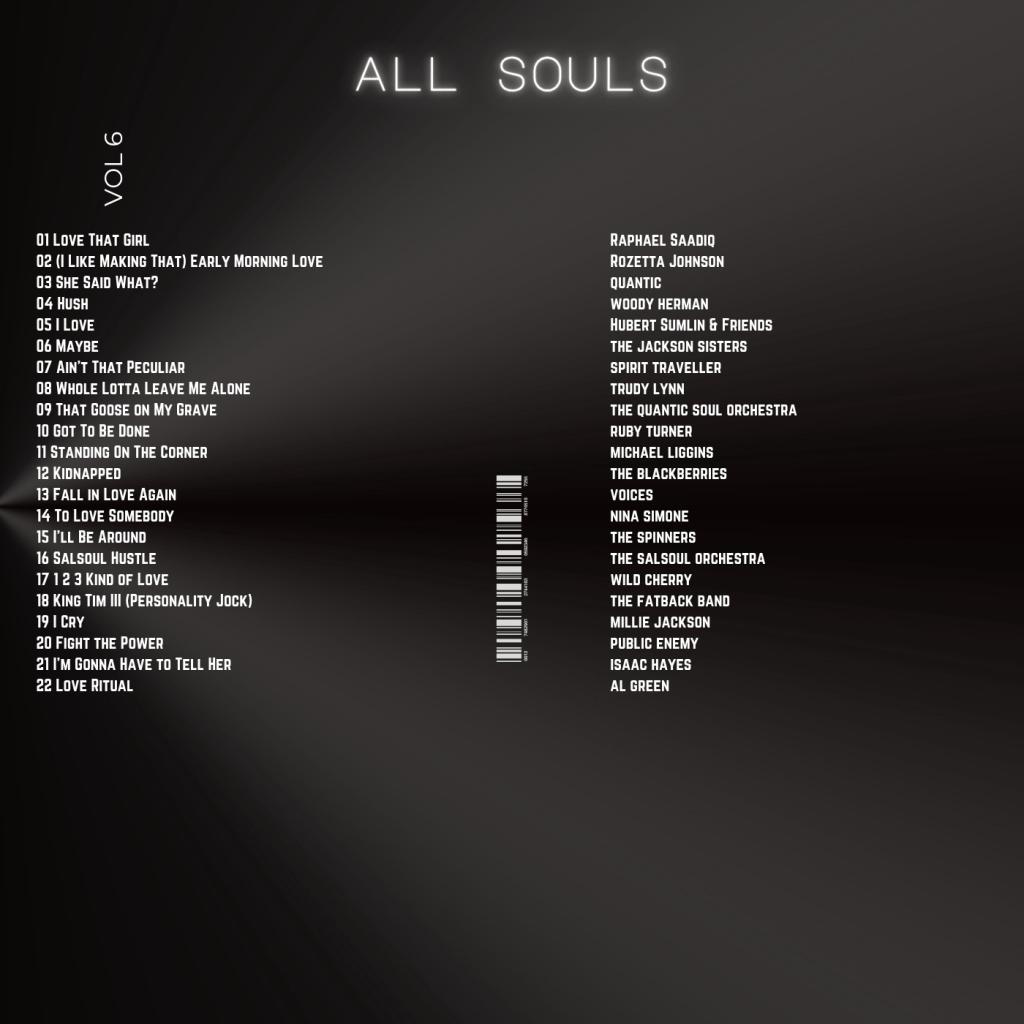
All Souls Vol. 6

al Ghazali
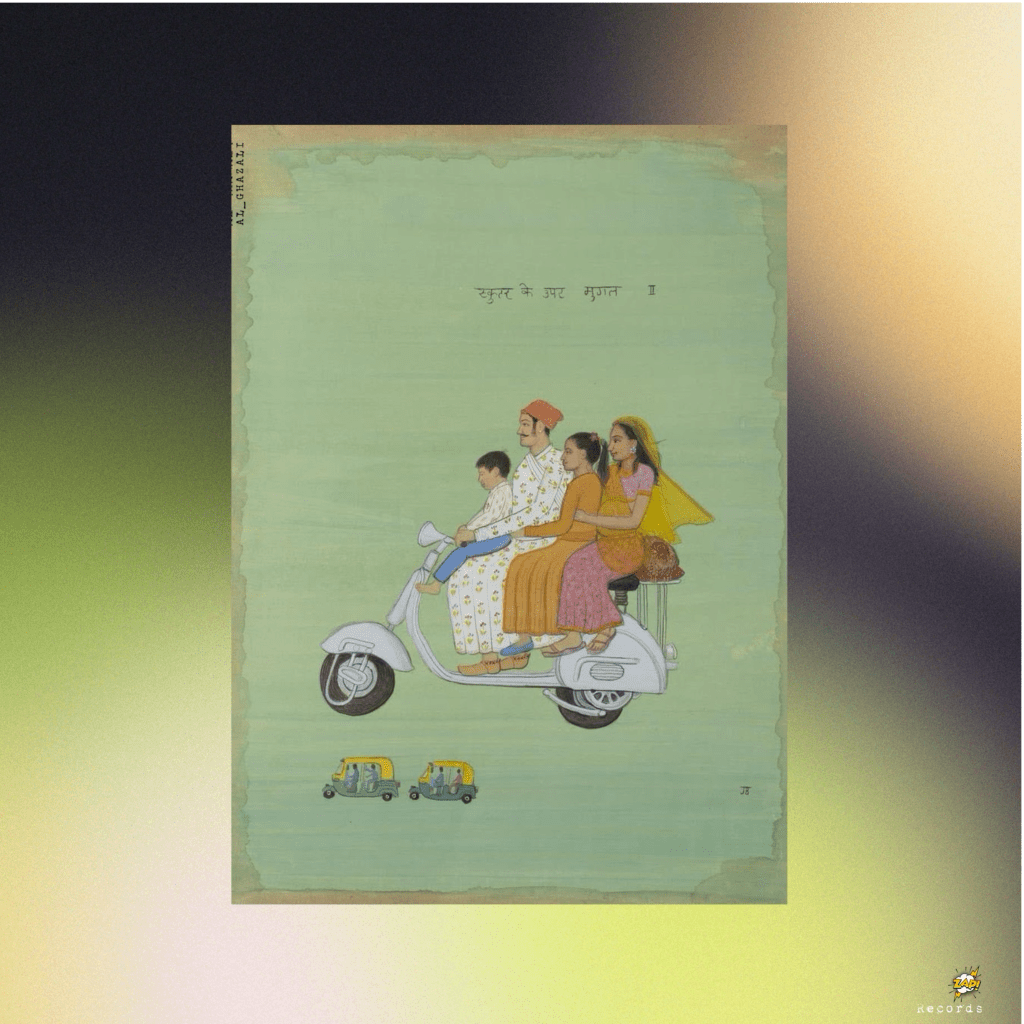

Filmi Express


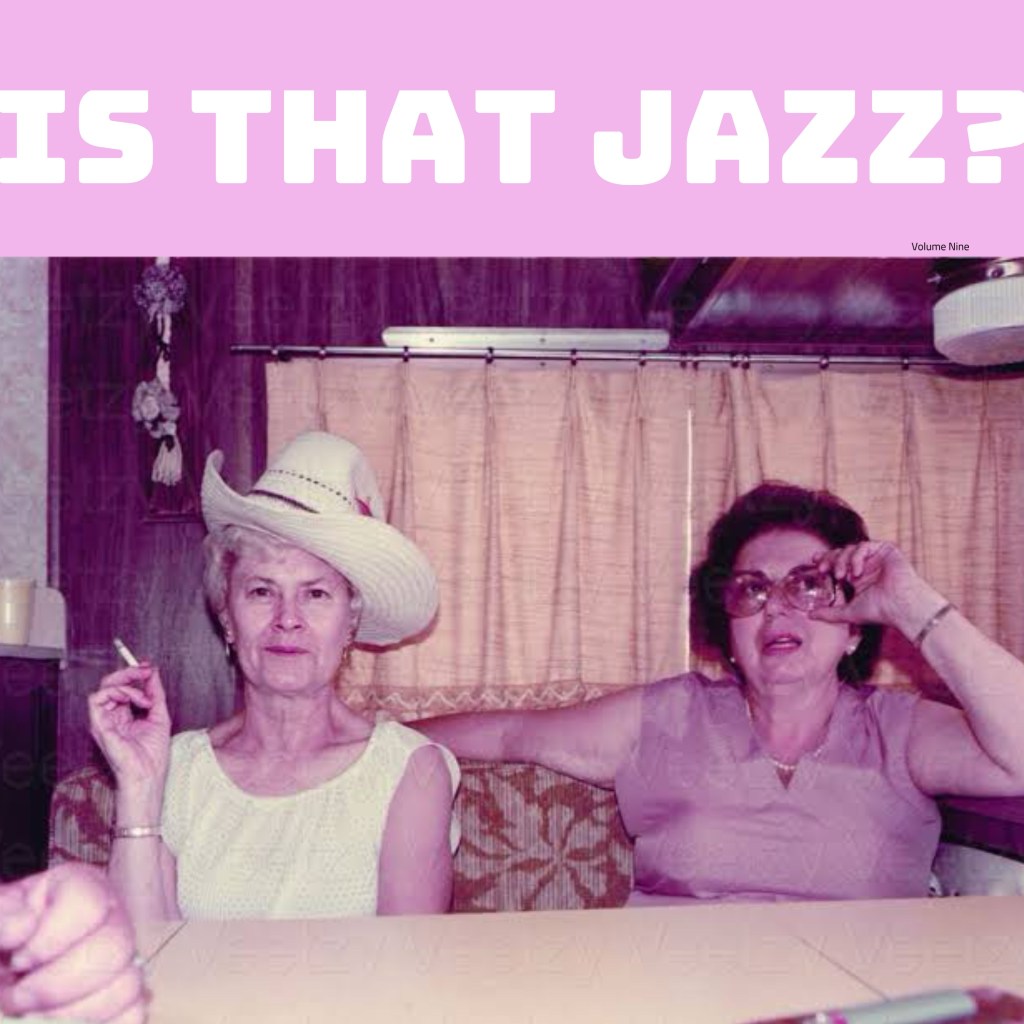
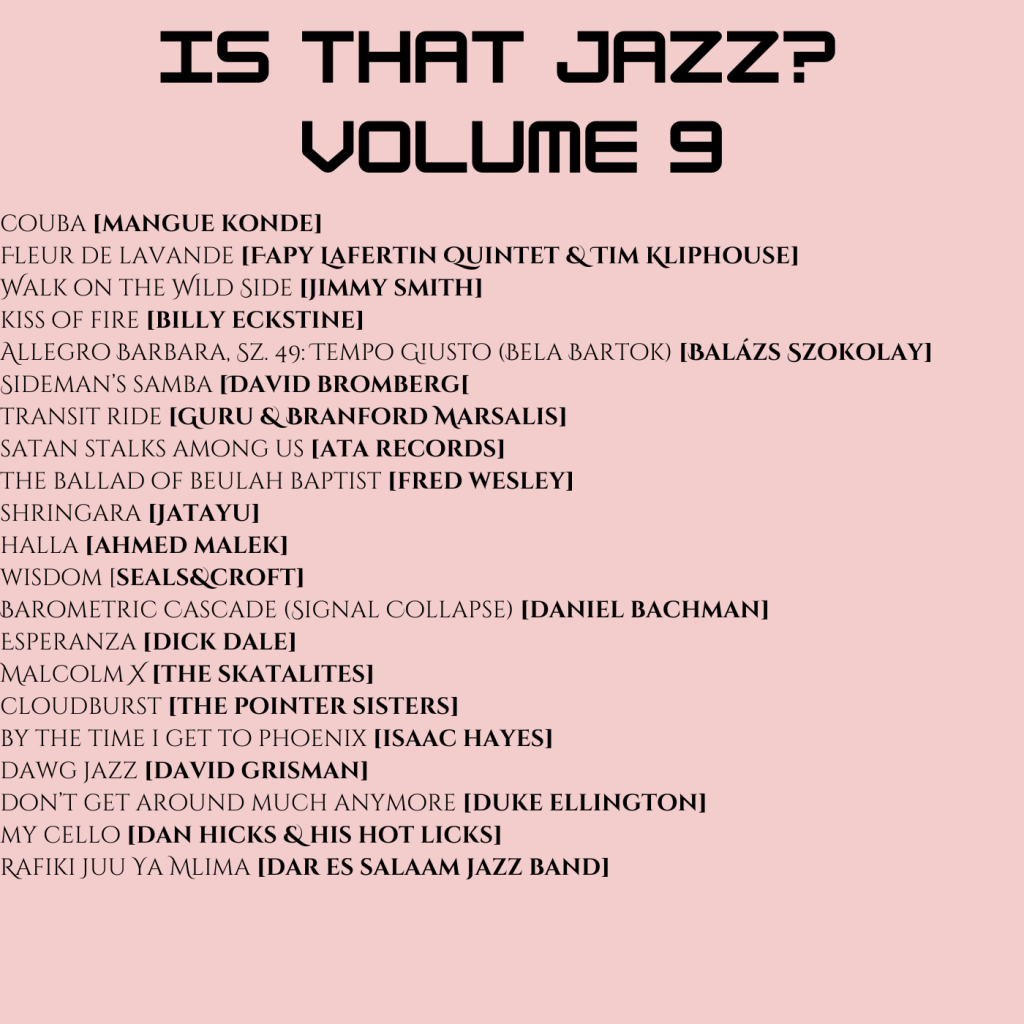
Is That Jazz? Vol. 9
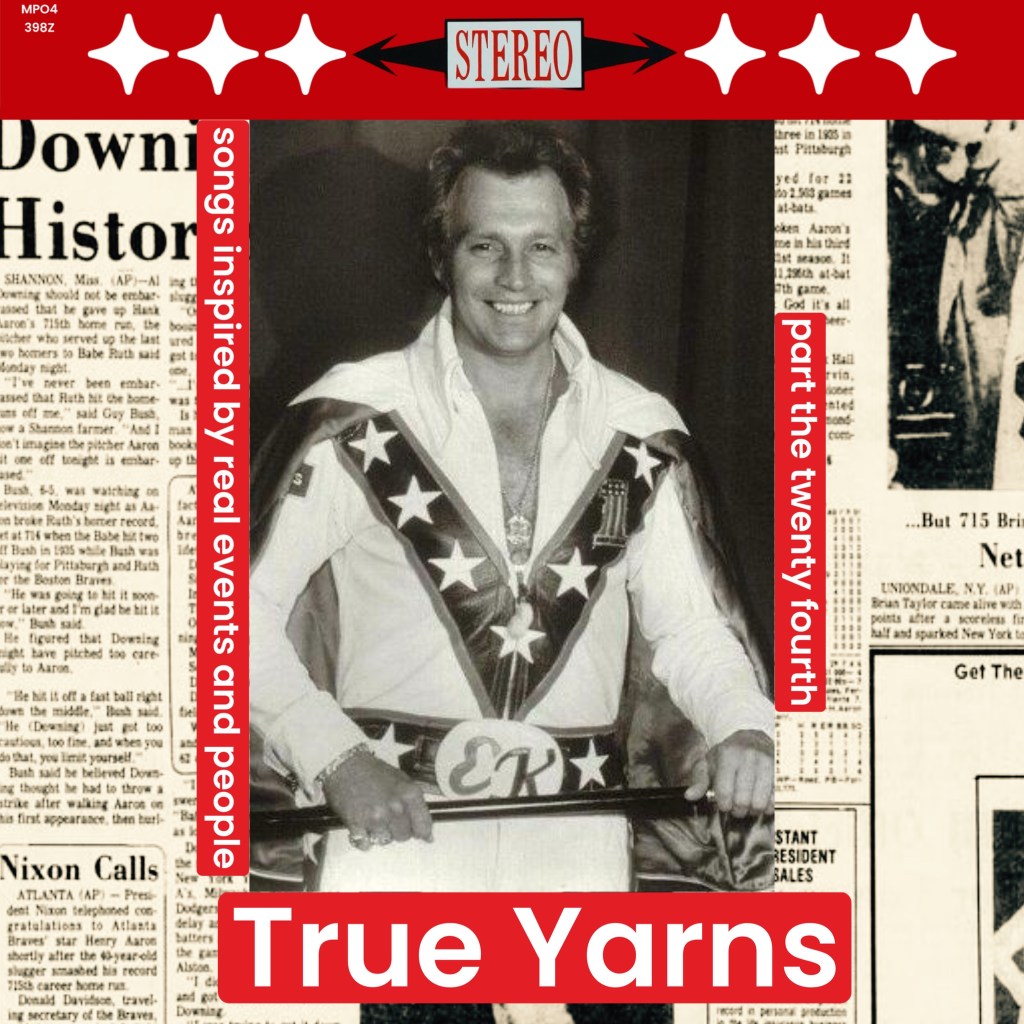
True Yarns: songs inspired by real events and people Vol. 24
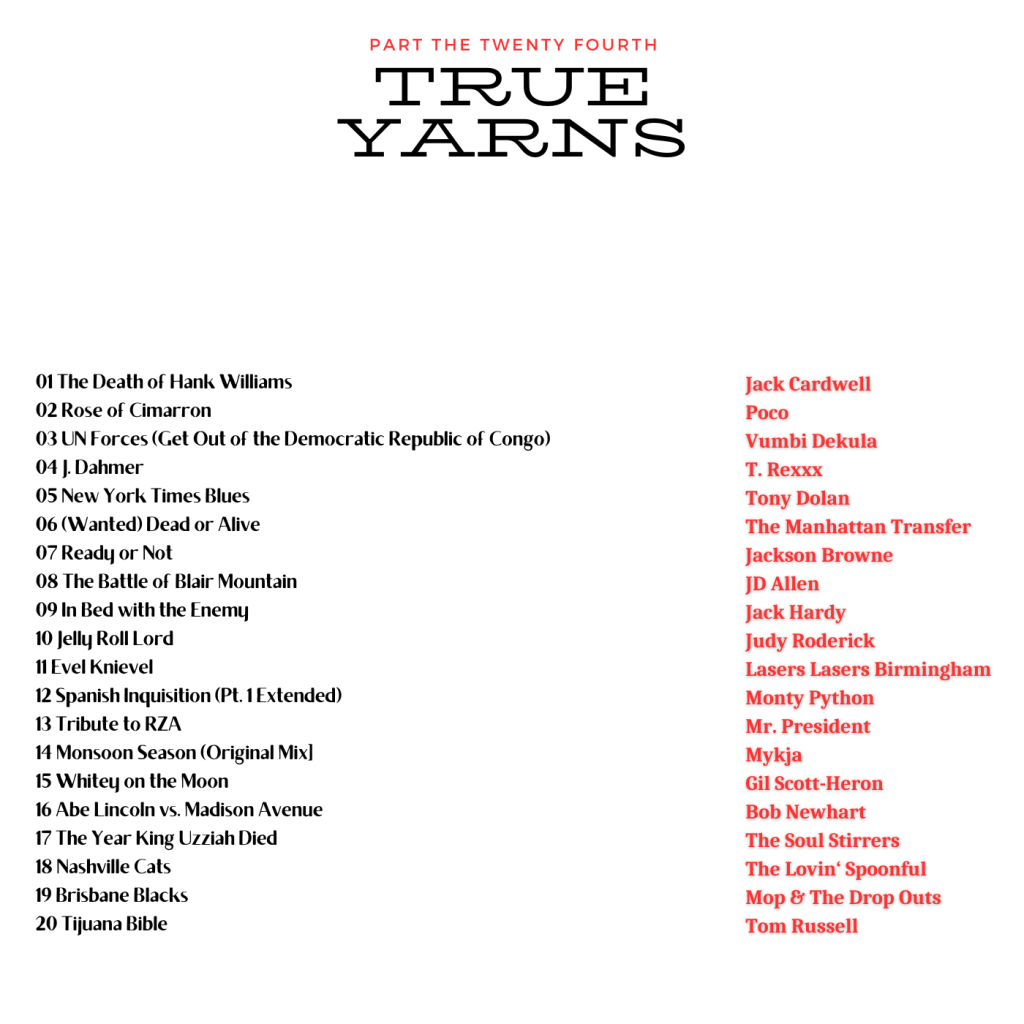
- The Death of Hank Williams (Jack Cardwell) Arkansas country DJ and sometime local country singer’s one hit released soon after HW’s death. Should we be surprised that Hank had a friendly ‘doctor’ by his side who supplied him with medicine?
- Rose of Cimarron (Poco) The family was poor, and she was one of ten children. However, she received a formal education at a convent in Wichita, Kansas. Two of her brothers were minor outlaws.
- UN Forces (Get Out of the Democratic Republic of Congo) (Vumbi Dekula) Cry, Accursed country! The people of the Democratic Republic of Congo formerly, Zaire, and before that Belgian Congo a.k.a. King Leopold’s personal estate, have endured war, genocide, Cold War politics, Grand Corruption, death and despair and neighbourly interference from Rwanda, Angola and Uganda for decades. The UN mission MONUSCO, which stands for the United Nations Organization’s Stabilization Mission in the Democratic Republic of Congo (in French) like several other such missions has been given a shitty job which they are , according to many critics, like Vumbi Dekula, a guitarist from East Kivu one of the worst spots in a sad and violent country, doing a shit job of. My recommendation for a wonderful podcast which often takes deep dives into this part of the world is the International Crisis Group’s Hold Your Fire.
- J. Dahmer (T. Rexxx) Assuming NO ONE has not heard the basic story of J. Dahmer here are two slightly different angles: The Disturbing Mind of Jeffrey Dahmer and The Representation of Jeffrey Dahmer in American Newspapers: Fear of the Queer
- New York Time Blues (Tony Dolan) OK, this I did not expect. Anthony R. Dolan, long -time advisor and speechwriter for Ronald Reagan and prominent Republicans in the 80s and 90s, ‘Tony’ Dolan gave the world The Evil Empire speech and the Ash heap of History, two of the Ray-gun’s memorable public outings. He was still giving advice to DJT in the (real) early days of Trump2 but passed away in March this year. Before his stellar rise in conservative politics, Tony tried his hand as a protest singer; with a twist. He was conservative and like all good Cons loved to rail against the New York Times which probably was regularly rejecting his submissions!
- (Wanted) Dead or Alive (The Manhattan Transfer) calypso tribute to some our favourite tyrants of the 60s and 70s. No gold stars for identifying the songwriter—the one and only Mighty Sparrow.
- Ready or Not (Jackson Browne) The one he wrote after breaking up with Joni Mitchell and getting his new girlfriend ‘in a family way’. The last verse of which he is horribly embarrassed by, even today. Start at 28.30
- The Battle of Blair Mountain (JD Allen) Born in Detroit, Michigan, on December 11, 1972, sax player JDAllen first became interested in music listening to classic funk and R&B albums by Sly and the Family Stone, Prince, and Marvin Gaye. The Battle of Blair Mountain sonically depicts the 1921 labor uprising (the largest in American history) and armed resistance in West Virginia, sounding half-heroic and half-doleful in its procedures.
- In Bed with the Enemy (Jack Hardy) As an antidote to track 5 here is a more modern protest song calling out the usual rats who run Big Business and Big Politics. Jack Hardy has been around a long time making good records. He’s featured in several volumes of my Forgotten Country Rock of the 70s series.
- Jelly Roll Lord (Judy Roderick) I invented jazz says Jelly Roll Morton.
- Evel Knievel (Lasers Lasers Birmingham) in which a stuntman protests that he is NOT Mr. EK, who graces the cover of Volume 24. A documentary on Evel
- Spanish Inquisition Pt 1 (Monty Python) Iconic skit from the MP boys. And a more serious potted history of the Inquistion
- Tribute to RZA (Mr. President) Classy tribute to the Great Helmsman of the Wu Tang Gang.
- Monsoon Season (Mykja) For those who may not know, a monsoon is…the best time of year in India and tropics. A great inspiration for photographers as well.
- Whitey on the Moon (Gil Scott-Heron) The civil rights leader Ralph Abernathy called Nasa’s moonshot ‘an inhuman priority’ while poor children went hungry
- Abe Lincoln vs. Madison Avenue (Bob Newhart). Bob never gets old!
- The Year King Uzziah Died (The Soul Stirrers) Unlike so many of the Biblical heroes (David, Solomon, Abraham, Moses) King Uzzaih is on pretty solid ground as far as historicity goes. In another weird interest of mine, Biblical Archeology, I recommend a lively, irreverent yet serious podcast that explores the Bible’s narratives against the solidity of history.
- The Nashville Cats (The Lovin’ Spoonful) A tribute to the gang of session players who helped create this thing called ‘country-rock’
- Brisbane Blacks (Mop & The Dropouts) In September 1982, Brisbane hosted the 12th Commonwealth Games. With the world’s eyes on Australia, First Nations people from around the country converged on the Queensland capital to march for Aboriginal rights. Local muso Mop Conlon wrote ‘Brisbane Blacks’ so Aboriginal rights wouldn’t become yesterday’s news. Despite what seems like an annual hand-wringing of hands over ‘what to do about the Aboriginals’ Australia’s leaders’ ability to make headway is one of the sorriest stories in First Nations history. Deaths of black Australians in custody is something that just keeps on happening, despite countless ‘investigations’ and thousands of recommendations for change. Shame.
- Tijuana Bible (Tom Russell) Lana Turner, a violent gangster and a frightened girl. What is a Tijuana Bible you ask? Have a look. What does Johnny Stompanato have to do with Tijuana Bibles, you ask? Well, he may not have been a featured character in a Tijuana Bible but as Russell suggests, the story of his death is exactly the sort of sensational scandalous material TB’s loved to publish.

 Missionaries, Mercenaries and Misfits