I was lucky to get a pass to a pre-release viewing of A Complete Unknown, the new Dylan biopic, this week. The event included a free drink (which turned out to be a Thatchers Gold Apple Cider in a can, which is so wrong on several levels) and an ‘Australian exclusive’ interview with director James Mangold and leading man, Timothée Chalamet. A great night.
The film itself was very good. I can’t think of another film where an actor captured a character many of us think we know intimately, with near perfection. It was almost as if Dylan himself had morphallactic-ly returned to his early years in the physical form of Chalamet. All the essentials were there. His smirking disdain, his obsessions, his hair, the shades and the voice, bursting at the seams with creativity. A stellar artistic performance by the actor.
[Not to be discounted is Edward Norton as Pete Seeger. His understated performance as Dylan’s early champion is worth the price of a second ticket. The crushing disappointment he conveys when Woody Guthrie makes it clear Dylan is to be his successor, not Pete, is so good.]
The Australian exclusive interview was prerecorded. It featured a local B grade entertainment interviewer who knew little of Dylan’s mystique or music and who received each response from Chalamet with a cooed ‘Ooo, that’s so great!’, more appropriate to an interview with parents of a severely disabled child or a granny fighting back against online scams. Chalamet was pissed and swilled big gulps of vodka straight from the bottle. His answers were disjointed, sometimes coherent. He seemed to be channelling Dylan’s own irritated approach to dumb interviewers. For his part Mangold tried to keep disaster at bay by praising the drunken luvvy next to him and speaking of how they had ‘sculpted’ the performance and their relationship over ‘many years’. O.K.
Definitely go see this film.
As I walked to the cinema, I reflected for the umpteenth time on what it is about Bob Dylan that I love so much. I’m sure I could dig out several dozen reasons but the one that immediately jumped to mind was his ability to turn a phrase. Though I’m a Dylan lifer, there are few if any songs of his that I could recite in their entirety. Maybe Blowing in the Wind if the wind were behind my back. But I can rattle off dozens of phrases that absolutely live within my soul every day.
All I really want to do, is baby be friends with you
It ain’t me babe
He not busy being born is busy dying
She wears an Egyptian ring that sparkles before she speaks
I contain multitudes
Flesh-colored Christs that glow in the dark
I used to care, but things have changed
Lincoln Country Road or Armageddon?
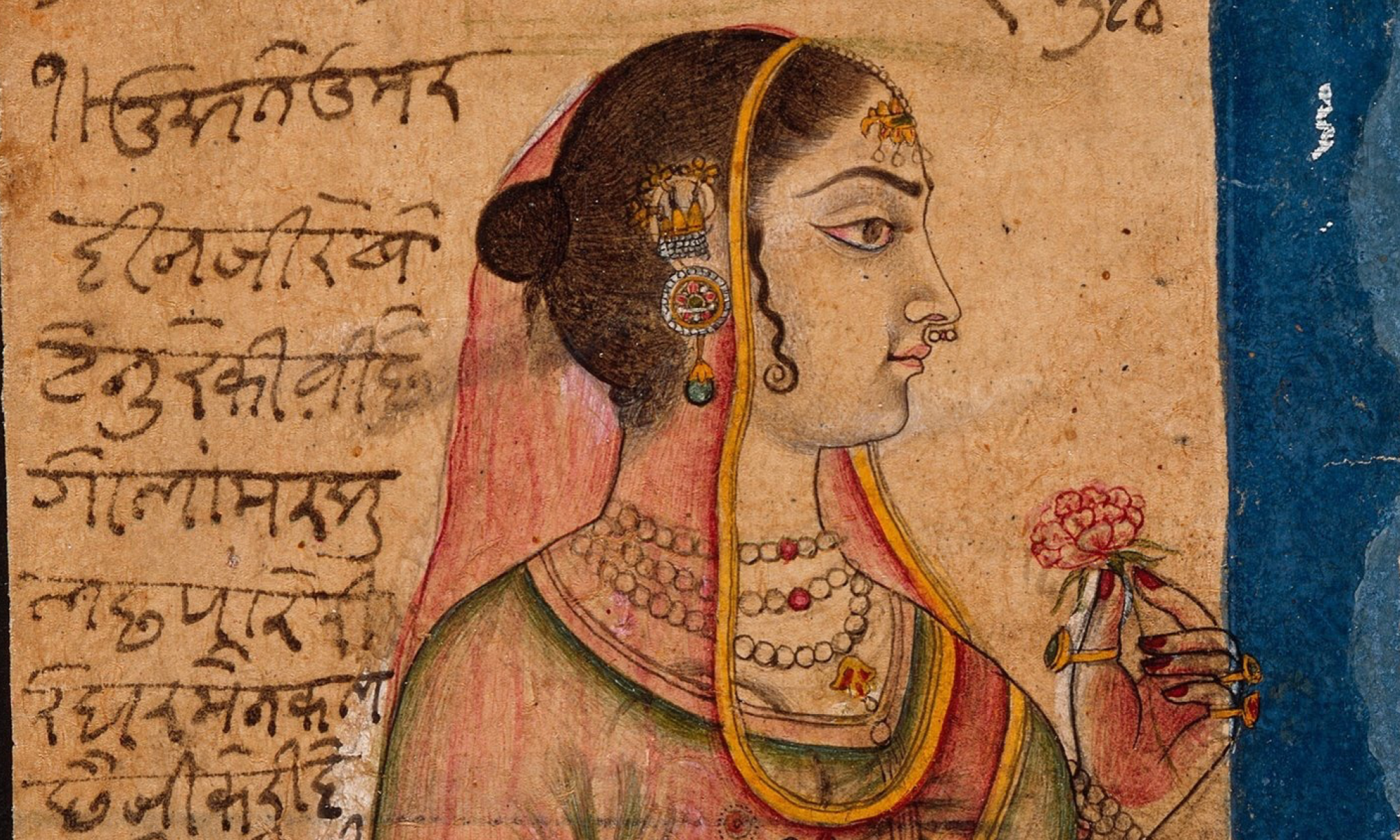
A few words, seemingly simply, even thoughtlessly, placed together stand out like sparkling jewels throughout his work. They are adornments. In Indian/Sanskrit aesthetics these are known are ‘alankara’, poetic ornaments or decorations designed to enhance the joy and delight of the reader/listener.
I find myself repeating Dylan’s phrases at random moments and situations. I get a kick out of marrying Dylan’s words with the situations and events of my meagre life. That feeling of delight, according to the ancient Indians, is the entire purpose of poetry, music, art and literature. According to Vijay Kumar Roy, Associate Professor of English, University of Allahabad, “all artists are expected to have a kind of gift, through which imagination can provide the reader [something to] ‘savour’ or ‘relish’, [rasa, in Sanskrit], which is the highest form of joy or supreme bliss (delight). (1)
Sometimes Dylan seems to throw all manner of phrases together, seemingly indifferent to whether they make sense as a whole narrative. For years scholars and fans have tried to unpack and dissect the meaning of each of Dylan’s songs to find a coherent message. Yet if you look at a song like It’s Alright, Ma (I’m Only Bleeding) the phrases pile up and it’s hard to draw direct links of meaning between them.
Darkness at the break of noon
Shadows even the silver spoon
The handmade blade, the child’s balloon
Eclipses both the sun and moon
To understand you know too soon
There is no sense in trying
Temptation’s page flies out the door
You follow, find yourself at war
Watch waterfalls of pity roar
You feel to moan but unlike before
You discover that you’d just be one more
Person crying
These verses are full of brilliant lines. Indeed, each line is full of meaning, but you’d be hard put to say exactly what he’s singing about. A simultaneous solar and lunar eclipse? Is the page of temptation a book or a young lad? I’ve seen waterfalls but don’t know what a waterfall of pity is and what that has to do with said page.
But as the song progresses it’s clear Dylan is conjuring a scene of madness, darkness and confusion. He is describing a disjointed disconnected modern society and so there is a certain rasa/taste to this song. Indian aesthetics identify 8 main ‘rasa’ or flavors that an artist may induce in a reader, observer or listener. One of them is Raudra: The Rasa of Anger and Fury which Dylan employs to demonstrate his righteous fury over the state of his country, society and times. It’s a heavy song. It’s got the weight of Jeremiah or Isaiah. But it is decorated and ornamented with the most beautiful turns of phrase.
Darkness at the break of noon
Shadows even the silver spoon
While money doesn’t talk, it swears
You never know how future generations will view yesterday’s heroes but it’s hard to imagine Dylan’s writing being forgotten. His turns of phrase, dozens of them, have entered our daily banter.
The times they are a changing.
Blowing in the wind.
It ain’t me, babe.
You gotta serve somebody
Pick up any of his records, or read his poems/lyrics on line and you’ll discover hundreds of magical delightful phrases that capture the whole gamut of human emotions. But which also mark Dylan as one of the greatest manipulators of words.
Here is one of his phrases I use regularly, in a lot of situations.
A change in the weather is known to be extreme
But what’s the sense of changing horses in midstream?
I’m going out of my mind, oh, oh
With a pain that stops and starts
Like a corkscrew to my heart
Ever since we’ve been apart
(You’re a Big Girl Now, Blood on the Tracks, 1974)
- Roy, Vijay Kumar. 2012. “Indian Aesthetics and the West” In Explorations in Aesthetics, edited by Alka Rastogi. New Delhi: Sarup Book Publishers.
 Missionaries, Mercenaries and Misfits