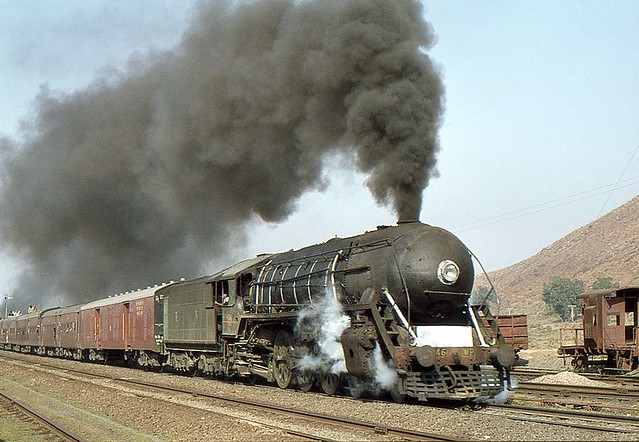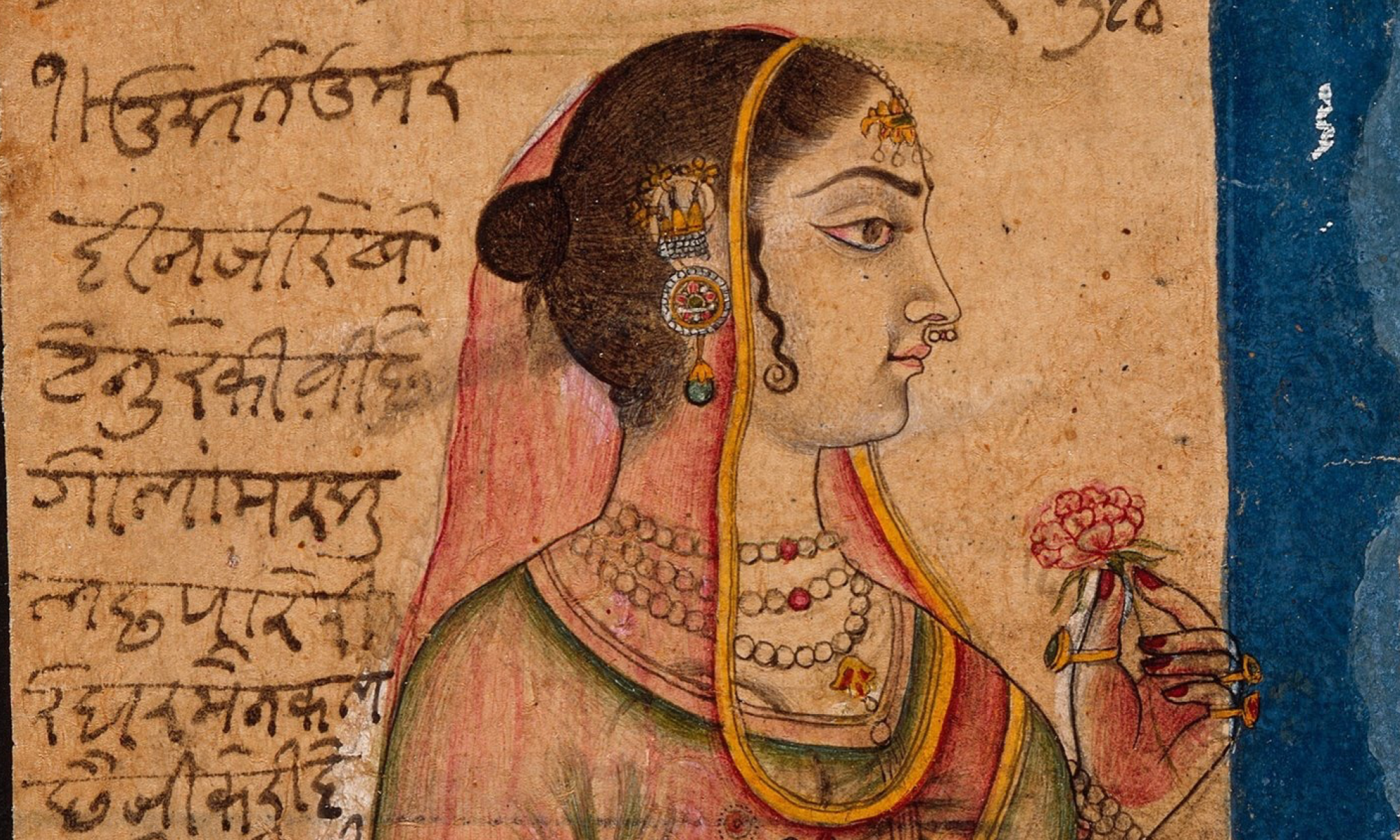
Lollywood: stories of Pakistan’s unlikely film industry

Chapter One: An Invention With No Future

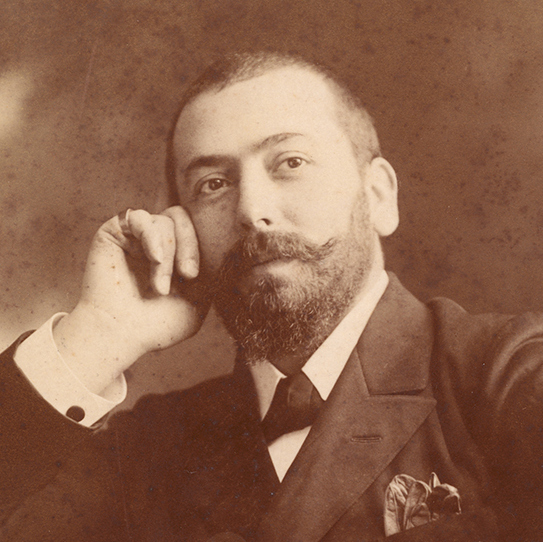
Marius Sestier

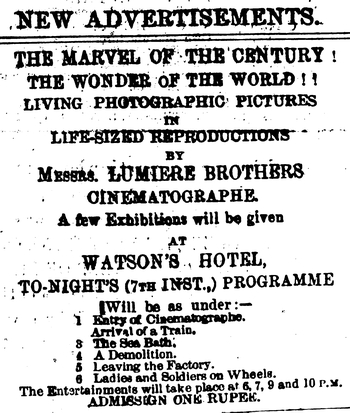
Fifty one years to the day before India won its Independence, on 15th August 1896, the well heeled citizens of Bombay enjoyed a final evening of the most โ€˜marvellousโ€™ spectacle the city had ever experienced.  For several weeks, first at Watsonโ€™s Hotel in Kalaghoda and then at the Novelty Theatre on Grant Road, a Frenchman en route to Australia, had been delighting audiences with the latest hi-tech entertainment.  Called the โ€˜cinematographeโ€™ his contraption, which looked like an ordinary wooden box with a hand crank on one side and a small brass-encased lens on the other, was the closest thing to magic audiences could imagine. As the Frenchman rotated the crank a spool of thin grey film through which light flowed from a second box attached to the top, the most unbelievable photographic images danced against a white screen.  In the darkened hall the rapt viewers wondered if they had not been transported to a new dimension.

The projection of moving pictures was the most exciting development yet in the short life of the revolutionary new science of photography. Two French brothers Auguste and Louis Lumiere had been experimenting with colour photography for a number of years and as a sort of intellectual side-project had attacked the problem of combining animation with projection of light. Just nine months earlier, in December 1895, at Parisโ€™ Grand Cafe, the brothers had stunned audiences with the first commercial showing of a film, which over a span of 49 seconds, depicted a train pulling into a station and passengers jumping on and off. 

The Lumiere brothersโ€™ version of the movie camera-cum-projector was small and light enough to be carried about outdoors. At first, the inventor brothers didnโ€™t know what to make of their apparatus. In fact, they saw it not so much as an idea whose time had come but, as Louis Lumiere said, as โ€˜an invention without a future.โ€™ His brother put it even more emphatically: โ€˜our inventionโ€ฆhas no commercial future whatsoever.โ€™

But in direct contradiction of their conviction, the siblings launched a campaign to take the Cinematographe experience to audiences around the world. To assist them they contracted a fellow Frenchman, a pharmacist by trade, named Marius Sestier to be this new technologyโ€™s evangelist in the furthest end of the world, Australia. So dubious of their inventionโ€™s prospects were the brothers that a year or two later they put together a travelling road show complete with 40 magicians to tour Asia, the Far East and the Fiji Islands.  If the moving pictures didnโ€™t draw the crowds perhaps the wonder workers would be a profitable Plan B.

Sestier, who sported a trim beard and moustache with ends that curled confidently upwards in the style of an upperclass gentleman, set sail, with this wife, from Marseilles on 11 June 1896 with a passage to India.  They docked in Bombay nineteen days later and though it seems Sestier knew little English, he immediately set out making arrangements for the showing of several films. Over a period of four nights people crammed into a small room in Watsons Hotel to watch six short films[1], including the much bally-hooed Arrival of a Train, all produced by the Lumiere brothers.  The local papers proclaimed this new thing, โ€˜The Wonder of the World!โ€™

The impact was tremendous and immediate.  More showings were added (though one was cancelled due to an early case of load shedding) and additional, larger venues were secured. The local press gushed enthusiastically about this amazing Marvel of the Century but found Mr Watsonโ€™s hotel to be somewhat unsuitable. The Bombay Gazetteโ€™s reporter complained that because of โ€œthe smallness of the room, the operator is unable to have the instrument sufficiently removed from the canvas to make the figures life-size, and this has the further disadvantage that it makes the actors in each of the scenes move about rather too quickly.โ€

Sestier responded to the criticism by securing the premises of the Novelty Theatre as a corrective measure.  Built in 1878, the Novelty was one of Bombayโ€™s glittering new theatres along Grant Road, the cityโ€™s answer to Broadway. It boasted a large 90 x 65 ft. stage and accommodated 1400 people. The Lumieres were in business! At Rs. 1 a seat, Sestier grossed close to Rs. 100,000 (close to one million in contemporary terms) over more than 60 sold-out shows, which proved beyond any argument, that inventors should not be relied upon for their business acumen.

By the time Sestier boarded the French steamship Caledonien for Colombo and Sydney on 26th August, he had changed India forever. The movie bug had found a new host. Many Indians had attended the shows at the Novelty Theatre and one in particular, a photographer, Harishchandra Sakharam Bhatwadekar (aka ‘Save Dada’) was so enraptured he immediately placed an order for a Lumiere Cinematographe with the London firm Riley Brothers. The investment set him back a pretty penny but within three years Bhatwadekar had made and shown Indiaโ€™s first documentary film, The Wrestlers, which depicted a match at Bombay’s Hanging Gardens between a couple of popular local wrestlers, Pundalik Dada and Krishna Navi.  Over the next several years Save Dada made a number of other films, all of mundane everyday subjects and reached his cinematic zenith by documenting the grand Delhi Durbar, a celebration of King Edward VIIโ€™s accession to the Imperial throne in 1903.

Save Dada was not alone.  In Calcutta and Madras, other men (yes, they were all men) were just as excited about this stunning new invention.  With a buzz that can only compare to the one we experienced when we received our first email or spent our first hours surfing the web, dreamers and entrepreneurs in every corner of British India sensed the magic of films and moved quickly to grab hold of it.

In Bengal, a rakishly thin lawyer, Hiralal Sen, scion of one of Bengalโ€™s prominent Bhadralok families moved to Calcutta from Dhaka in 1887 to indulge his fascination with photography and cameras.  Some years after his arrival in Calcutta, the legendary studio of Bourne and Shepherd sponsored a photographic competition which Sen, eager, like all budding photographers for some recognition, entered.  When he won a prize, the young lawyer was so encouraged he abandoned the Bar and rather rashly established his own photo business.

Though photography had been around for nearly half a century by this time, it was still so new.  Its possibilities intrigued practitioners who experimented with all manner of materials and processes. Everything had to be tested and tried. In between taking portraits of Calcuttaโ€™s citizenry Sen began experimenting with light by projecting shadowy images against the wall using a lantern and black cloth. But as far as we know, by 1896 Sen had not yet seen a motion picture.

This happy event happened in 1898, two years after Sestierโ€™s shows on the other side of the country. A certain Mr Stevenson, one of those minor characters that wanders across the stage of  history but about whom next to nothing is known, hired a swank venue on Beadon Street, the Star Theatre, where he exhibited a โ€˜Bioscopeโ€™ film that ran on the same bill as a popular stage play, The Flower of Persia.

Charles Urban, an American book and office supplies salesman with a fetish for silk hats, fell in love with movies from the first moment he put his eye to the peephole of a Kinetoscope, the early American film projector invented by Thomas Edison.  Ever the salesman, Urban immediately cottoned to the commercial potential of moving pictures (even if Edison, like the Lumieres, did not) and arranged to be Edisonโ€™s agent for the state of Michigan. By 1896, as Sestier was wowing Bombayโ€™s citizens at the Novelty Theatre, Urban was trying to sell Edisonโ€™s updated projector, the Vitascope from his shop in Detroit. A year later, after asking an engineer friend to come up with a better projector that didnโ€™t โ€˜flickerโ€™ as each frame passed through the light, Urban was marketing his very own Bioscope, a single wooden box more tall and narrow than Lumiereโ€™s but like theirs with a hand crank. His projector had the added advantage of not requiring electricity to operate.  The Bioscope was so successful that an English firm, Warwick Trading Company, invited Urban to move to London and head up the company with his Bioscope as its flagship product.

Charles Urban

Given his familyโ€™s wealth it appears not to have been a big deal for Sen to fork out Rs. 5000 for one of Urbanโ€™s spiffy new inventions.  Upon its arrival in India though the equipment was slightly damaged. And to complicate matters it came with no instruction manual. But Sen was not easily deterred.  He sought out a European friend, a Jesuit priest named Father Lafouis, who assisted Sen in repairing the Bioscope as well as figuring out how the contraption functioned. Within a short time Sen had so mastered the Bioscope that with the financial help of his brother Motilal and two other investors, he established the Royal Bioscope Company in 1899.  Sen quickly became an importer of European films and within a year had shot his own footage. Taking a cue from the mysterious Mr Stevenson, who appears to have moved on to greener pastures, Sen cut a deal with the Classic Theatre, to exhibit his films between acts of a stage play, as a sort of bonus entertainment.  The first Sen film to gather notices was Dancing Scenes from the Flower of Persia, which was a popular stage production at the time.  Encouraged by the publicโ€™s response Sen filmed scenes from other stage productions including Ali Baba, Sitaram and Life of Buddha which were then shown at other city theatres including the Star and Minerva. As in Bombay, the shows stunned the local press. โ€œThis is a thousand times better than the live circuses performed by real persons. Moreover, it is not very costly โ€ฆ Everybody should view this strange phenomenon,โ€ gushed one local daily.

And it wasnโ€™t just the residents of Indiaโ€™s most populous city that got to partake of this strange phenomenon. Royal Bioscope took their films to the countryside, setting up impromptu open-air cinemas in small towns across Bengal and Orissa, starting a practice of travelling movies that continues up to the present.  Hiralal turned out to be an artiste of amazing inquisitiveness and is credited with making Indiaโ€™s first political film (fiery nationalist speeches denouncing the British Raj by Surendranath Bannerjee, a founder of the Indian National Congress) as well the first commercials for a certain Edwards Tonic and Jabaskum Hair Oil.  He continued to film stage shows as well as produce  short films of everyday life for a decade and a half  but sadly his entire ouvre went up in smoke. Literally. In 1917 the Royal Bioscope Company warehouse caught fire and destroyed all his work and some of South Asiaโ€™s earliest and most important films.

Senโ€™s success ignited the imaginations of others and movies began their journey from novelty toward industry.  Back in Bombay, in 1911, Dhundiraj Govind โ€˜Dadasahebโ€™ Phalke, another photographer cum magician cum printmaker was completely smitten after catching a film called Amazing Animals, a sort of early David Attenborough nature film, at the America India Picture Palace.  He returned for more, this time buying a ticket to an Easter time showing of a French film called The Life of Jesus.  โ€˜Why,โ€™ he whispered quietly to his to his sceptical wife as they sat in the dark, โ€˜couldnโ€™t I tell the story of our Hindu gods and deities on film, as well?โ€™

How his wife answered we donโ€™t know. But Phalke who had struggled up this point to find anything that could capture his interest for more than a few years at a time, and whoโ€™s several business partnerships had ended acrimoniously,  spent the better part of a year buying up equipment and  learning as much as he could about film making before  travelling to England in February 1912 to meet with moviemakers and technicians. During this time one of Phalkeโ€™s correspondents was an American magician named Carl Hertz. Hertz had spent time in India tracking down fakirs who could reveal to him the secret of the Indian Rope Trick and meeting with the painter Raja Ravi Varma. Given subsequent events, in which he tours the South Pacific as part of the Lumiere brothers troupe of  40 magicians/ projectionists it seems likely that he may have met Sestier himself at one his Bombay movie exhibitions.

Dadasabeb Phalke

In any case, both men, Phalke and Hertz, were in Bombay around the same time and shared a passion for moving pictures and magic.  In the years proceeding his cinematic career, Phalke for a time had billed himself as a magic man named Professor Kelpha, an anagram of his family name. In another intriguing twist Phalke had done business with Raja Ravi Varma through one of his other commercial ventures the Phalke Engraving and Printing Works. So it is possible that Hertz had met Phalke as well.  After leaving India, Hertz integrated moving images into his magic show as a regular feature and went on to achieve a minor notoriety as the first man to show a film on a ship and in South Africa. 

Phalkeโ€™s London sojourn was a lightening trip.ย  He was back on Indian soil three months later, and on 1 April 1912, the very day he landed in Bombay, he registered the Phalke Films Company, and began putting together this first film, Raja Harischandra, based upon a legendary ruler of ancient India described in the epic Mahabharata and other literary works.

Released in 1913, Raja Harishchandra holds the official title as Indiaโ€™s first feature film. But in fact, a year earlier, in 1912, another enterprising Maharashtrian exhibited a movie titled, Shree Pundalik, at the Coronation Cinematograph at Girgaum. Most film historians reject the idea that it was in fact, โ€˜Dadasahebโ€™ Tornay, the maker of Shree Pundalik, who deserves the accolade as Indiaโ€™s earliest feature film maker, on the rather lame grounds that the camera was operated by a European named Johnson. And that the film was sent to London for processing. Had these criteria been sufficient to disqualify a film from being judged Indian, many films including some of the most loved such as the classic Pakeezah (1972) which was shot by German Josef Wirsching would also need to be removed from the canon.

But whereas Tornay failed–Shree Pundalik was a commercial flop–Phalke went on to make more than a hundred silent films many of which included his wizardry with special effects like the Hindu god Hanuman flying through the sky.  After a falling out with his business partners Phalke, who rightly, is credited as the father of Indo-Pakistani cinema, retired to the banks of the Ganges in Varanasi, a somewhat disillusioned and lonely man. For years he resisted making more films but eventually agreed to accept an offer from the maharaja of Kholapur to produce one final film, a talkie called Gangavatran. Like many others Phalke struggled to cope with the transition from silent to sound films and was unable to repeat his early silent film success.  He passed away in 1944 a forlorn and rather forgotten figure.

In the southern city of Madras, a dealer of imported American cars, Nataraja Mudaliar, was a fan of Phalkeโ€™s films, and like Sen, Bhatwadekar and Phalke just had to try his hand at the new craze.  Mudaliar requested an Englishman by the name of Stewart Smith who was in town filming a documentary on Lord Curzon ( Viceroy of India from 1899 to 1905), to give him several lessons on the finer points of using a camera.  With a confidence that only the amateur can muster, Mudaliar, established Indiaโ€™s first film studio, the India Film Company in Puruswalkam. The year was 1917.  Within a year, he had produced a series a well-received historical pictures including South Indiaโ€™s first feature film Keechaka Vatham, an episode from the Mahabharata, exhibited at the Elphinstone Theatre. The film was a smash hit by any standards thrilling audiences and netting Mudaliar Rs. 50,000.  Excited by the money making potential of his film, Mudaliar arranged for it to be shown in cities outside of India with large Tamil populations including Rangoon, Singapore and Colombo. These venues further netted him a handsome Rs. 15,000.  So infectious was this new art form that even the Father of Independent India, Mahatma Gandhiโ€™s family was caught up. His son Devdas Gandhi, then a journalist, was hired by Mudaliar to write the script cards for Keechaka Vatham in Hindi, in order that the film could be shown in the north.


[1] During his stay in Bombay, Sestier screened between 35-40 films, all presumably shot by his sibling sponsors in France. They included such delights as Rejoicing in the Marketplace, Foggy Day in London and Babies Quarrels.

Lollywood: stories of Pakistan’s unlikely film industry
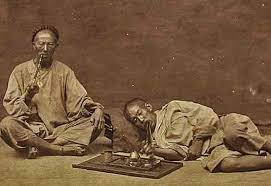
Introduction

The bloody cataclysm of 1947 which resulted in the death and displacement of multiple millions of people, the destruction of an ancient cityโ€™s sense of community, the disruption of a vibrant economy and a fundamental reassessment of a peopleโ€™s and cityโ€™s very meaning and identity seemed to signal, beyond any shadow of doubt, the end of Lahoreโ€™s emerging movie making dream.

Within a month of Roop Kishoreโ€™s escape and the razing of his sparkling new studio the guts were ripped out of the entire industry. The financers and producers, most of whom were at least โ€˜nominalโ€™ Hindusโ€™ like Shorey, many of the editors and writers of the cityโ€™s lively film press, actors, music director, playback singers, directors and countless Sikh and Hindu techniciansโ€”cameramen, editors, sound recordists and visual artistsโ€”fled.  While most probably harboured hopes that โ€˜when things calm downโ€™ they would return–โ€˜maybe a few weeks, at most a month or twoโ€™– and pick up finishing the picture they were working on, all except a small handful never set foot in Lahore again. As it happened, Roop Kishore Shorey was one of the few who did. But weโ€™ll get to that a bit later.

By the end of 1947 the writing was on the wall. The exciting glory days of making films in Lahore was over.  The cityโ€™s movie refugees reconciled themselves to re-establishing themselves in Bombay, which except for the biggest names and most established stars turned out to be a struggle. Eventually some made it and went on to become rich. Even giants. Most found work, maybe even had a hit or three, but within a decade, they quietly faded away like the pages of the film magazines that once published their pictures.

Back in Lahore the remnant of the industry had other priorities: rebuilding their city, burying their dead, feeding and schooling their children. Making films seemed frivolous under the circumstances. And already questions were being raised by the mullahs, those who had championed the very idea of Pakistan as a thing, about whether there was a place for such a ridiculous, scandalous and even anti-Islamic thing as movies in the new country.

A number of Muslim actors, directors, producers singers and writers did leave Bombay and Calcutta and move to Lahore. But their number was small, especially in the early days.ย  It is said that Mehboob Khan, one of Indiaโ€™s most revered directors, maker of Mother India, made a quick post Partition foray into Lahore to assess whether he should emigrate. โ€œI need electricity to make films,โ€ he is reported to have snorted upon his return to Bombay.

Yes, Noor Jehan, Indiaโ€™s most famous and beloved singing actress, โ€˜optedโ€™ for Pakistan as did Manto, the incendiary writer, and a few other biggish names but obstacles and hurdles were so many that the idea of putting Lahore back on the film making map seemed the stuff of madmen. Manto drank himself to death, after spending most of his time in court fighting for artistic freedom.

One can empathise with their gloom. The dream had ended not only so abruptly, but too soon.

Films had been a part of Lahoreโ€™s life since at least the 1920s though one source claims that the Aziz Theatre in Shahi Mohalla was converted to a cinema in 1908. The cityโ€™s residents, especially the large number of students who attended Lahoreโ€™s many premier universities and colleges, were instant fans and supporters of the medium. Hollywood movies starring Mary Pickford, Hedy Lamar, Charlie Chaplain, Douglas Fairbanks and especially Rudolph Valentino were hugely popular. Rowdy Punjabi audiences were recognised (and most of the time appreciated) for their unabashed preference for action and romance pictures; by the late 1920s and early 30s the Northwest region of India was the number 1 film market outside of Bombay. The big production centers of Calcutta and Bombay made pictures that would appeal to the Punjabi and Muslim audience churning out Mughal era historicals and recreations of Arabic and Persian folk stories.

In the late 1920s a Bhatti Gate resident, Abdul Rashid Kardar, turned to making his own films. Filmed in open air along the banks of the Ravi river or amidst the cityโ€™s many medieval ruins, the films were well received even if by a tiny local audience. Wealthy businessmen and civic leaders started investing in the new technology. A high court judge invested Rs45,000 in a German Indian co-production called Prem Sanyas (The Light of Asia), a story of the Buddha, that has gone on to be claimed as a classic of world cinema.ย 

When speaking and singing pictures became possible others jumped into the river. โ€˜Studiosโ€™ and production units popped up all over the place in Muslim Town, on McLeod Road, along Multan Road, and especially Laxmi Chowk. Lahoreโ€™s publishing industry sprang into action and began pumping out film magazines in English and Urdu from as early as the 1920s and 30s. Roop Kishore Shorey started making rip offs of American and Bombay action films some of which got fair notices. After a downturn in the mid-1930s by the early 1940s Lahore was fast developing into the B-movie capital of India. A source of talent and story lines (the number of Lahore or Punjab born and or educated actors, directors, producers, singers and writers who made and whose children and grandchildren continue to make Bombay the world leading industry it is, is too numerous to count) Lahore was what the Americans call a farm club. A place where talent was procured tested and then sent up to the big leagues in Calcutta and Bombay.

While the smart movies were made in Calcutta and the big productions came out of Bombay the filmmakers of Lahore in no way suffered from an inferiority complex. They prioritised quantity, action and speed. They prioritised fun. They made money, they drank, they swapped wives, they got divorced, they gambled and raced the horses. They travelled the world looking for money and even produced films for international markets. 

But then the dark clouds of politics rolled in and poofโ€”like the bomb in one of their action movies–the game was up.

Yet, it was in the bloody rubble of Lahore that the seeds of a new industry were born. Not just a minor player, but within a few decades, a booming national film industry. By 1970 Pakistan was the largest film producer in the Islamic world and the 4th largest (by volume) in the world. Without its old stars it produced several generations of superstars, actors, starlets, writers and singers, oh the singers. Not just Noor Jehan, but Mehnaz, Irene, Nahid and the Bengali bomb, Runa Laila.  A lot of them went on to sing for Bollywood and still do (Atif, Adnan Sami, Ali Zafar, Rahat).

That Lahore would be a major world film centre is on the face of it improbable. It was far removed for the colonial power centers and indeed, is the only major south Asian movie city not based in a colonial city, that has survived and thrived. How weird is that? Especially, in such a hostile environment. In a land where official, political and religious biases have constantly been more of a threat than the erstwhile films of India which are forever being outlawed.

To understand this amazing, improbable story we have to start not with Roop Kishore Shorey staring into the ashes of his modern studio but go back in time to the very beginning.

Lollywood: stories of Pakistan’s unlikely film industry

Scenes from never-made Pakistani films [Number 1]

Film: Tabahi (Annihilation)

Released: June & July 1947

Starring: al Nasir, Vinod & Roop Kishore Shorey

A man stands by the side of the road staring into the smouldering skeleton of a large double storied building. He covers his nose with a blue silk handkerchief to keep the noxious, semi-sweet smell of burning nitrate at bay.  The lenses of his round rimmed glasses reflect the flames that leap from room to room.

The camera pans back for a super wide shot and reveals behind him the apocalypse that everyone had been praying would never come playing out.  The citizens of Lahore are moving hurriedly and fearfully towards the railway station. For once no one argues with the tonga walas who are demanding Rs100 to make the short journey. Bloated groups of people–women and children in the middle; wild-eyed men armed with swords, pistols, axes and lathis on the perimeters–move deliberately towards neighbourhoods where their co-religionists might give them safety. Hindus to Nisbet and Chamberlain Roads. Muslims to Mozang and Icchra. Sikhs want to make Amritsar or Delhi.

To the north, old Lahore is an inferno. The once rich markets and havelis of Shahalmi, one of Lahoreโ€™s mighty 13 gates is no more. Gangsters and politicians had banded together two days previous to raze the historic mohalla to the ground, killing hundreds of mostly Hindus.  War chants echo in waves as lorries race by loaded with enraged men. โ€œKhoon se lenge Pakistan!โ€  โ€œHar Har Mahadev.โ€   For weeks the citizens of Punjabโ€™s greatest city have heard that goondas from Amritsar have snuck into town to mock and shame their Muslim brothers to cleanse the city of all kafir.  In response the Sikh leaders have mobilised their small armies of jathas in an all out war of revenge.  Everyone knows that even the Lahore Relief Committee set up by some prominent Hindus is just a front for RSS militants more concerned with smuggling weapons to their frightened people than offering relief any sort of relief.

The days are unbearable. The early summer heat has maded the tar on the roads gooey. With the fires and explosions all across the city the temperature has never risen so high. Perhaps when the rains come all this madness with come to an end?

The staring man goes by the name of Roop Kishore Shorey. He turns away and falls into the backseat of an American sedan that has been idling for him. Inside an anxious driver guns the car down the road and yells out โ€œWhere to sahib? Lahore is no longer safe.โ€

Shorey doesnโ€™t answer. Next to him fidgeting anxiously sits his friend, the music director Vinod, who just a few months earlier had completed his first score for the movie Khamosh Nigahein at the now destroyed Shorey Studio.  Vinod shouts for the driver to turn the car, which was headed north toward the city and railway station, to the south.  โ€˜Go to Walton Air field.โ€™

At the airport the pair find Al Nasir, the debonair hero and recently licensed pilot, readying his tiny single prop plane for takeoff.  โ€œYou know, I only have room for one of you,โ€ Al Nasir says merrily, seemingly oblivious to the carnage in the city.

โ€œTake him.โ€ Vinod pushes a nearly catatonic Shorey forward. โ€œIโ€™ve got a family to worry about.โ€

 โ€œThirty-four and still a bachelor! Who can believe it,โ€ laughs Al Nasir. Sex and women were essential parts of the actorโ€™s life. Heโ€™d just divorced the beautiful Meena and was now hot in pursuit of a number of other starlets in Lahore and Bombay.

Shorey embraces Vinod seemingly unwilling to let him go, but the music director untangles himself. โ€œIโ€™ll follow you soon. Iโ€™ll find you, donโ€™t worry. My family must think Iโ€™m dead, I have to go.โ€

Vinod runs back to the car which speeds off toward the city.

Al Nasir gets in beside Shorey and notices that the producerโ€™s normally pristine white shirt is grey with dust and ash. Sweat and tears have muddied the lenses of his expensive German spectacles.  He smiles grimly at his friend and without waiting for approval from the tower taxis down the runway.  Lifting off, the plane circles and climbs steadily through the heavy, smoky air.  Shorey stares out of the window. The city of his birth, the city he loved, the city he was so determined would one day be as famous for its movies as Bombay, is now a medieval battleground. Fires, pillars of black smoke and crumbled buildings everywhere.  Around the railway station a mini city has grown up. He can hear gun shots, There are army trucks at every chowk.

โ€˜Weโ€™ll be back,โ€™ Al Nasir, calls out. Heโ€™s still smiling. โ€œNehru and Jinnah and Gandhi will sort it out. This is Lahore after all. Let them call it Pakistan. Itโ€™s still India. In a few weeks everyone will get tired of blood and bombs and the public will want to see our movies and have fun again.โ€ 

The plane climbs higher and disappears into a dark grey cloud.

My Missionary Family Pt 3 : Ocean Liners and St. Thomas

My folks and two older brothers landed in Bombay on 2 February 1952. A second application for a visa had been successful and 28 days after leaving New York they squinted at the skyline of Indiaโ€™s largest city โ€˜with its many high-rises [that] looked pale yellow in the hazy afternoon sun, more modern looking that we had expected. 

The country where they would live and work for nearly 40 years was still young then.  Four and half years earlier the British had left in a rush leaving behind two new countries. Pakistan and India, to sort out the affairs of state amidst deep political divisions over the Partition of the subcontinent, heightened communal identify and sensitivity, a bankrupt treasury and a level of poverty that had been severely exacerbated by several massive famines in Bengal, Punjab and Sindh. 

Politically, Pakistan was in turmoil. Their first Prime Minister, Liaqat Ali Khan had been assassinated in October 1951, which saw the first direct intervention of the military in the countryโ€™s governance, a legacy the people of Pakistan continue to fight against.  The UN had declared a ceasefire in January 1951 and sent peacekeepers to Kashmir to manage the fallout of the first of four wars fought over that territory.   

India had the good fortune of being led by a charismatic visionary Prime Minister, Jawaharlal Nehru, who enjoyed stature across the globe. ย When the SS Stratheden, a British ocean liner that carried troops (during the war) and mail (after) between the UK and Australia, and which George Orwell had sailed to Morocco on in 1938, dropped anchor at Ballard Pier in Bombay, Indiaโ€™s first parliamentary elections sinceย gaining independence were almost complete. ย Nehruโ€™s Congress party would win easily and remain in power for the next 25 years. ย 

In Madras, the original Indian colonial city, 1300 kms southeast of Bombay, a cricket match between England and India got underway on the 6th of February.  King George VI died that same day, placing young Elizabeth on the throne where she would remain for many years after mom and dad both passed away.  India went on to gain its first Cricket Test victory in that match which marks the rise of the mighty Indian team of our times.  

Our family, and few missionaries that we knew,1 cared little for cricket. ย It was a quaint British game played over 5 (!) days by princes and engineers. ย Like polo, it was an elite sport. Nothing like the massively wealthy and dominant public phenomenon it is today. Field hockey was the more popular and accomplished sport1 in those years.ย 

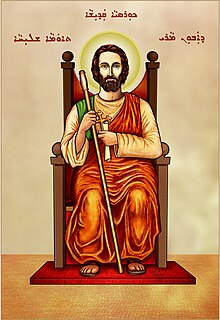
We werenโ€™t Brits so the change of monarchs in the UK would have been little more than headline news. There was, however, one anniversary or milestone that Dad would have liked (and probably knew). That his own missionary career was beginning exactly 1900 years after one of Christโ€™s own apostles had first arrived in India. ย The tradition (which is generally accepted) tells of St. Thomas, one of the original Twelve, landing along the south east coast of India in the vicinity of the modernย city of Chennai (Madras)in 52 CE. He preached to the locals and had some success but other locals, usually identified as stuffy Brahmins, murdered him around 72 CE.ย  But he left behind Indiaโ€™s first indigenous Christian community and church, the Mar Thoma, which can, with strong historical evidence, claim to be one of the oldest, if not the oldest Christian community outside of Palestine. ย 

Syro-Malabar icon of Throne of St. Thomas the Apostle

If Iโ€™m to understand my parentsโ€™ life as missionaries in India I have to spend some time exploring a much broader history, that of Christian India, which pre-dates any formal European missionary by nearly 2 millennia.  In the next few instalments, Iโ€™m going to highlight some of the highpoints in that fascinating but underreported history. 

  1. India holds the record for most consecutive Olympic Golds (6) and most total Olympic Golds (8) in the sport. โ†ฉ๏ธŽ

My Missionary Family Pt. 2

By mid-1951 Dad and Momโ€™s preparations to leave for India were in high gear. The few worldly possessions they had accumulated were packed away, ready to be shipped to their new home, or stored in the garages and basements of relatives in Minneapolis.   They had been recruited by a mission board known as the Oriental Missionary Society (OMS), a minnow in a lake dominated by the mainline Methodist and Presbyterian churches.  

They were excited but anxious, not knowing what to expect or how to prepare for what was going to be their first 5yr tour of duty.  They received two bits of advice from senior missionaries. Dad writes about the first one: 

Orville French (an OMS missionary in India) accompanied us for a walk. He encouraged us to keep focused on India–โ€™a desperately dark and needy landโ€™, he said. Later while studying in Houghton [College, New York] we corresponded with the Frenches who had arrived in Gadag by then. In one of his letters Orville asked us about our conjugal relationship. Hmm. He said that couples planning to serve in India, especially, needed to be sure that they were well adjusted sexually, and โ€˜at peaceโ€™ with their sex lives. For India, he warned, was a place where sex was overtly โ€˜worshippedโ€™ (Shiva phallus symbol, erotic temple carvings etc.) and this might prove to be troublesome! His concern was doubtless given in the context of what happened to two missionary families who were forced to return home because of the husbandsโ€™ improprieties. Orvilleโ€™s questions we found a bit intriguing, and actually the โ€˜only word of counselโ€™ we had from OMS on how to get ready for India. 

Now. If there ever was a paragraph that deserved unpacking, this is it.  But Dadโ€™s final statement is not entirely accurate.  Mom wrote of another piece of advice they received, this time from Orvilleโ€™s wife, Aileen. 

Aileen, in response to my queries as to what to bring with us, replied that India (and Gadag in particular) was rather drab and dreary, so โ€˜Bring whatever you can to make your home cheery and cozy.โ€™ One surprising suggestion was to bring toilet paperโ€”India’s being hard to obtain and or poor quality, if and when available. We packed a [55 gallon] drum full of it when we sailed for our first term. 

Thus alerted to the pitfalls they could expect to find, they were ready to set sail from New York in September, 1951.  With tickets booked and much of their luggage enroute to New York, they were informed that their visa had been refused by the Indian government.  This was, in Dadโ€™s words, โ€˜a slap in the faceโ€™ and suddenly it looked as if the erotic temples, jewel encrusted turbans and lost souls would remain figments of their imaginations forever. 

The Indian governmentโ€™s hardening stance against new missionaries was a theme of many family conversations throughout my childhood.  Though individuals who could be classified as Christian missionaries had been in India since the early years after the crucifixion of Jesus of Nazareth and though southern India was home to one of the oldest orthodox churches in the world, predating any European missionary presence by centuries, the โ€˜modernโ€™ missionary movement in India really began in the early 18th century. 

It is a story filled with ups and downs and long periods of marginalization followed by shorter bouts by lionization before an inevitable return to ostracism. Iโ€™ll write more about that at some other point, but for now, the refusal of a visa for Mom and Dad, though disappointing for them, was not surprising given the political context of a newly independent country. 

Indian elites had waged an ever more acrimonious and violent war of resistance against Imperial Britian, aka The Raj, for decades. Indeed, you could make the case that the โ€˜natives had been restlessโ€™ for more than a century and that the first mass armed uprising against the British had taken place in 1857, when a loose coalition of soldiers, disempowered regional rulers and peasants, nearly succeeded in wiping all Europeans off the north Indian map. 

The countryโ€™s new rulers, though committed to building a non-sectarian, secular state, viewed missionaries as a subversive, antiquated, anachronistic and altogether unwanted cohort of foreigners living in their midst.  Missionary evangelizing, as unsuccessful as it was in convincing more than a handful of Indians to renounce the faith of their birth, was especially hated.  

Prominent leaders including the Governor General Mr. Rajagopalachari and Prime Minister Nehru expressed their views that missionaries were cultural aggressors and foreign fifth columnists. An official investigation in the early 50s by the government of Madhya Pradesh concluded:  

Which must be halted immediately, the report declared.  

Things didnโ€™t look good for wannabe missionaries like Rudy and Eleanore Rabe and their two young sons Michael (4) and Gregg (2). 

Two films I recommend

One is Civil War. Here is a piece I thought I had shared one of my other blogs (C90 Lounge) but may have not. Apologies if you’ve read this before.

I saw Civil War yesterday. My companion, an emotionally hard-boiled Aussie of the 80s, was sceptical. He expected a โ€˜made for TVโ€™ type production and groaned at the posterโ€™s depiction of a gunnerโ€™s nest in the flame of the Statue of Liberty. 

Iโ€™m invested in this, I said.  

Years ago, in the era of โ€˜Wโ€™, my brother and I half-seriously agreed that should ever there be a revolution in America, we would return (he was living in Canada, me in Australia) and fight for the good guys.   So, Iโ€™ve been seeing armed rebellion in the heartland for decades. In the intervening years Iโ€™ve worked in Iraq and the former Yugoslavia and Tajikistan. Each of those countries, in their own space and time, were places where citizens believed, โ€˜it will never happen hereโ€™.  

Of course, it did happen there. Half a century of state building and brutal imposition of power by an ultimate stable, seemingly intractable family or party structure crumbled faster than anyone could have imagined leaving once proud capital cities and rural hamlets alike pockmarked with the imprints of thousands of shells, collapsed roofs, burned out vehicles and bands of uniformed heavily armed men with trembling trigger fingers in attack or perhaps in retreat. 

The picturisation of the road trip from NYC to DC depicted in Civil War gets full marks from me. The mayhem and the menace were completely believable. The Americanisation of the scene, for an initial moment seemed unreal, but quickly the recollection of similar road trips Iโ€™ve made through Bosnia and Kosovo, Central Asia and Angola, made me appreciate the truism, local context is everything.  This is exactly what civil war and the collapse of a national superstructure looks like. It just so happens that McDonalds dot the landscape instead of mosques.  

The film is not edifying. I left scratching my head what it said about the media. Villian or simply the least-worst group in a land full of horrible people?  The scene with the red-headed militia man with his red sunglasses was completely real and believable.  Appropos to the storyline I left the theatre wondering, โ€˜who were the good guys?โ€™. Maybe my brother and I would have fighting each other, not side by side. It was depressing. 

Much better than I expected, said my hardboiled friend. Neither of us had much to say for a long time. 

**

The second film is Shatranj ke khiladi (The Chess Players). It came out in 1977 and is a brilliant picturisation of Indian writer, Munshi Prem Chand’s, beloved short story of the same name.

Set in 1856 it recounts the final days of nawabi 1Lucknow, the most important ‘successor’ kingdom to emerge in the years following the severe collapse of Mughal political authority in north and central India, beginning in the early 18th century.

Satyajit Ray directed the all star cast which includes Sanjeev Kumar, Saeed Jaffrey, Sir Richard Attenborough, Amitabh Bachchan, Shabana Azmi, Amjad Khan, Victor Bannerji and Tom Alter, with whom I share a personal connection and whom I knew as an ‘upperclassman’ at boarding school. Each actor gives a generous and pitch perfect performance.

I love the sound of this film which is told in Urdu. Lucknow was accepted as the center of the Urdu speaking world and Urdu, with a Sanskrit grammar base but Persianised vocabulary, is among the most beautiful languages ever devised by us humans. The atmosphere (mise-en-scรจne?) of the film is authentic to my imagined 19th century nawabi Hindustan, 2 and captures the dust-layered pale clay and brushy landscape of that part of India perfectly.

The story is both hilarious and deeply sad. It is a tale of self delusion in a time of political chaos and confusion. A story about the passing of one era and the forceful, violent birth of a new order. A story perfect for this notorious American moment. The copy that is on You Tube is high quality with English sub titles, though significant parts of the story are told in English. Highly recommended!

  1. Nawabi is an Urdu term meaning ‘royal’ but which over time has become shorthand for a particular culture and lifestyle of Muslim (mainly) elites, centered in Lucknow but prevalent across much of the Gangetic plains of north India. Nawabi is a way to signal decadence, hedonism and a self indulgent ruling class of land owners and pleasure seekers. โ†ฉ๏ธŽ
  2. Hindustan is often used to refer to India as a whole, but historically and culturally it refers to the area of northern India the is watered by the Yamuna and Ganga (Ganges) rivers, also known as the doab (two waters.) More broadly it refers to the heartland of Muslim India that stretches from Lahore in Pakistan to Dhaka in Bangladesh. โ†ฉ๏ธŽ

Little Krishnas

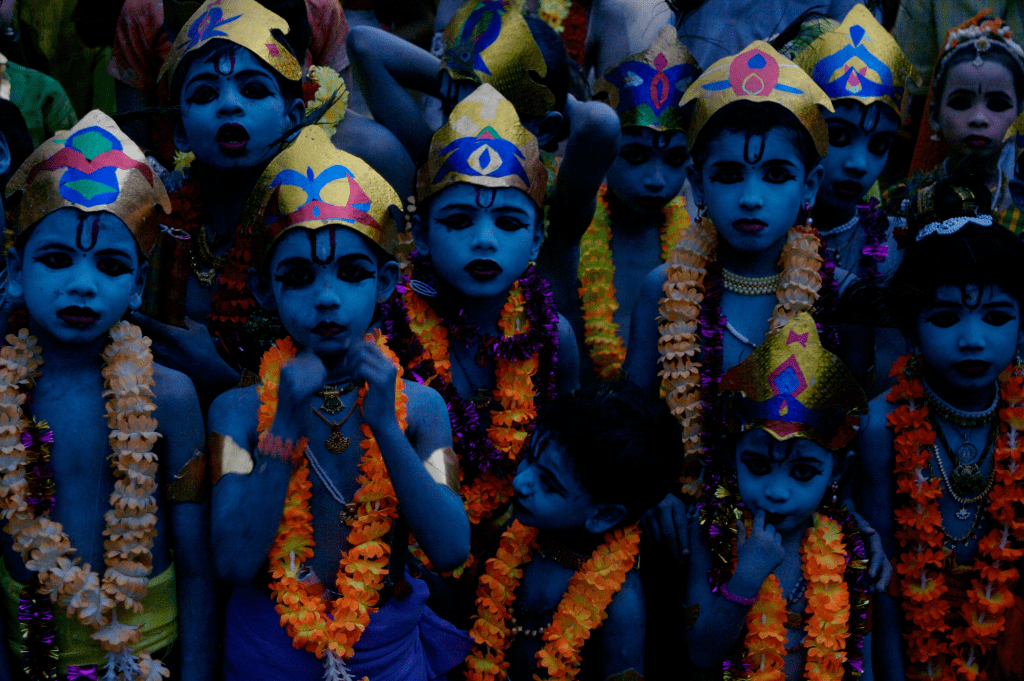
Young boys dressed up as young Krishna on the occasion of Sri Krishna Jayanti, 2009. Near Trisshur, Kerala.

I didnโ€™t really learn about India until I left to attend University in Minnesota. ย I had lived there virtually all my life up to that point and had a slightly above average knowledge of Hindi but it was pretty rough. I understood India as the place where I felt most at home in the world. A place I identified as โ€˜homeโ€™. But I had only the sketchiest understanding of Indian history; the sitar and Hindi movies summed up Indian culture.

My world was largely European/American/white/Christian. Though I grew up speaking an Indian language as early as or even before English, though I had many Indian playmates and in school, close mates, and though my family in no way tried to isolate ourselves from Indians or Indian culture and society, by dint of another culture and tradition I knew precious little about, that of evangelical missionaries in India, Indian culture remained a vague notion with very few points of clarity and authentic appreciation. 

This came home to me in my early semesters in University. I got into mid-level Hindi class only to discover how limited my vocabulary was and how ungrammatical was my speech. I really didnโ€™t know how to write a coherent paragraph.  The name Mohammad Rafi had never registered with  me. Whilst reading a passage from a newspaper aloud in class (my pronunciation/accent was always very good) I stumbled at the reference to โ€˜Rafiโ€™. As there are no capital letters in written Hindi I didnโ€™t realise it was a name; the sentence didnโ€™t make any sense.  Ultimately, the professor, who himself had never been to India, had to tell me that Rafi was a proper name and referred to Indiaโ€™s most famous male singer, Mohammad Rafi.  

I think my choice of South Asian Studies as my undergrad major and then my Masters in Modern South Asian history, were attempts to make up for this huge ignorance about the place I said I loved and that I called home. 

After formal education my years in Pakistan enlightened me about the impacts of Modern Indian history and how tangled and fascinating is the relationship between Pakistan and India.  

In 2010 I began blogging about music. All kinds. But I understood that I could create a bit of niche and a following by focusing on South Asian music, another subject about which I was almost completely ignorant. And so, my learning and education about India (in the broadest sense of that term) continued.  My current research on the history of the Pakistani movie industry a.k.a. Lollywood, is the same. It seems I have an unsatiable desire to learn ever more about the subcontinent.

There was no subject more unknown to and less understood by me then the world of Hindu philosophy and religion. Naturally, missionary children were not encouraged to learn too much about it for obvious reasons. To fight this โ€˜dark forceโ€™ was what had brought my parents to India in the first place. But also, I had enough of spiritual instruction and religious activity in my daily life already. Daily prayers and Bible readings, devotions, camps, Bible clubs, spiritual conventions and tent meetings, church services and baptisms.  The idea of trying to figure out a second religion was the last thing on my mind.  Creedence and the Beatles, Dev Anand and Zeenat Aman were far more exciting fields to plough. 

I still know so little about it, though I do love reading the many stories behind the many aspects of God that Hindus and Indians have concocted and pay homage to. 

I was in Kerala on business.  One evening I hired a taxi to visit a friend who lived near Trisshur. I wasnโ€™t going to take my cameras but after the quiet voice reminded me, โ€œTake your camera with you everywhere you go,โ€ I headed out. 

About half way there we turned a corner to find the road blocked by these young fellas. 

A couple villages were celebrating Krishna Janamasthami the annual festival of Krishnaโ€™s birth. Families celebrate by swinging their youngest son around in circles and then painting young boys in blue, placing cardboard crowns on their heads and wandering around the village singing, laughing and pretending to play the flute, Lord Krishnaโ€™s instrument of love.  Later, entire busloads of villagers will visit the Guruvayur Shri Krishna Temple in Thrisshur for more ritualistic and formal acts of worship. Like many places, the temple claims to trace its history back 5000 years (doubtful) and is one of southern Indiaโ€™s largest places of Krishna worship, something usually associated with north India. 

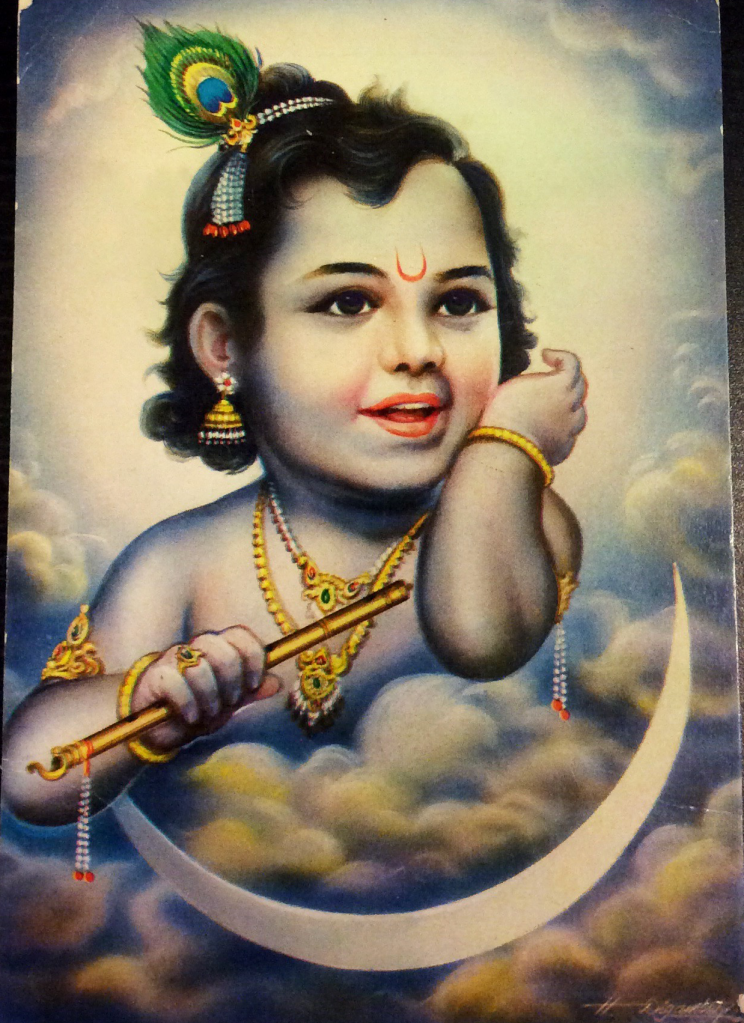
Krishna in his infancy and boyhood is known as Balakrishna, (literally, child Krishna). A stage on his life remembered for his mischievousness and antics. He is depicted in books, magazines, murals, calendars and stickers with chubby cheeks, rolls of fat on his little belly and often with his hands full of butter which he has stolen from his mother.

The following bhajan tells that story.

Balakrishna postcard


Running Home (Pt.3)

My bodyguards followed their orders and allowed no one to talk to me. Including themselves.ย  From Hardwar to Lucknow, a journey of 15 hours, they kept their prisoners on a tight leash, taking turns at dozing, sometimes whispering, occasionally sharing bidis.ย  Up on the top tier, I was left alone.ย  Neither uttered a word to me.

When the train pulled into Lucknow, our party clanged and shuffled its way across a platform or two until one of the cops pointed at a train. โ€œThat one will take you to Pratapgarh,โ€ he said.  

With their duty done, they turned their detainees around once more and left me to my own devices. 

An empty train in India is a rare thing. The one I boarded was oven hot and completely quiet.  I had the feeling of entering a long steel church. There was a similar air of hope and faith that the train would soon start moving.  A handful of passengers lay stretched out here and there, prostrate before the Sun god.  I found a window seat on the shady side of the compartment and waited.  

Eventually, the train did pull away from the station and onto the dry, scrabbly plain of central UP.  I squinted into the wavy horizon.  Though it must have been close to 45 degrees, I relished the way the heat burned the monsoon chill out of my bones.  

The slow swaying and jolting of the carriages comforted me. I lost myself in the clacking of the rails.  I was excited now.  Just a couple more hours to go and Iโ€™d be home.   

I must have nodded off for I was woken by someone tapping my shoulder. In front of me stood a Sikh ticket inspector in a navy blue blazer with worn cuffs. He had his hand outstretched and asked me to show him my ticket.  

โ€œI donโ€™t have one.โ€ 

Perhaps because a representative of the Indian government itself had deposited me, Special Delivery, on this train my fear was gone.   

โ€˜Why?โ€ 

โ€œMy money was stolen and the Railway Police told me to take this train. My mother is sick in Allahabad and Iโ€™m going there.โ€  The further I travelled the longer my opening line became. 

The Ticket Inspector eyed me quietly for a minute.  As he did, my courage wilted. The same panic I had felt after the Russians had laughed me out of the compound, rushed through me. I was sure the moment of my arrest had arrived. 

โ€œYou do one thing,โ€ he said after a while. โ€œJust before we enter Pratapgarh Station, the train will stop.  You alight there and walk to the city. There will be no issue of ticket-shicket.โ€ 

I nodded my assent somewhat incredulously. How was it that a man charged with enforcing the rules was advising me on the best way to break them?  

Several minutes later the train did roll to a stop about 200 metres from the station. I, along with what seemed like every other passenger on the train, hopped onto the hot earth and scampered out of the railway premises through a hole in a symbolic fence standing bent and rusty 5 metres from the highway. 

Iโ€™ll never forget that sardarji

** 

Pratapgarh is a small district town famous for not much. Its main role is as a rail junction and transport hub.  I entered a chowk bustling with activity. People were streaming up and down the road toward the station. Buses and Tempos, Indiaโ€™s awkward three wheeler taxis that ferried people to remote villages off the main highway, stood three deep on both sides of the road. 

Touts shouted out destinations of nearby towns and villages. Hawkers shouted the prices of their fruit and peanuts.  Horns blasted incessantly. Loudspeakers attached to trees blasted Lata Mangeshkar and Rafi songs. 

โ€œIllaahabad, Illaahabad. Illahabaaad! Hey kid, why not go with us?โ€ 

A man with sweat dripping from his nose and ears and with a soiled handkerchief around his neck motioned me in his direction. 

He was standing by a taxi. I couldnโ€™t afford a taxi. I was looking for a bus. I couldnโ€™t afford a bus either but somehow catching a free ride on the latter seemed more feasible than in a taxi. 

โ€˜Where you going?โ€ 

โ€œAllahabad.โ€ 

โ€œCome on. I have one seat left, Rs. 12 is all. Come on, quickly, right over here.โ€ 

He pulled me towards the Ambassador.  

โ€œI donโ€™t have 12 rupees.โ€ 
 

โ€œNo problem, how much do you have?โ€ 

โ€œNone. But if you stop on Stanley Rd, across from Beli Hospital I can get you some.โ€ 

โ€œDone,โ€ he said. โ€œSit down, here.โ€ 

He pulled open a creaky door and shoved me into the back seat. I joined five other adults. Across their laps they carried a charpai, a country rope-bed that had been partially disassembled to fit into the auto.  None of them could move from the weight of the wooden legs and the tangle of rope.  I squeezed in as best I could, holding the door shut with my arm. 

In the front seat sat another four adults. Not one of them was the driver. With his taxi now full the driver began to insinuate himself little by little behind the wheel. After some wiggling and numerous requests for reconfigurations in the passengerโ€™s sitting arrangements, he was able to reach both feet to the pedals. His back was mostly resting against the front door which caused him to maneuver the wheel with distinct awkwardness. As if he was puppet with broken arms. 

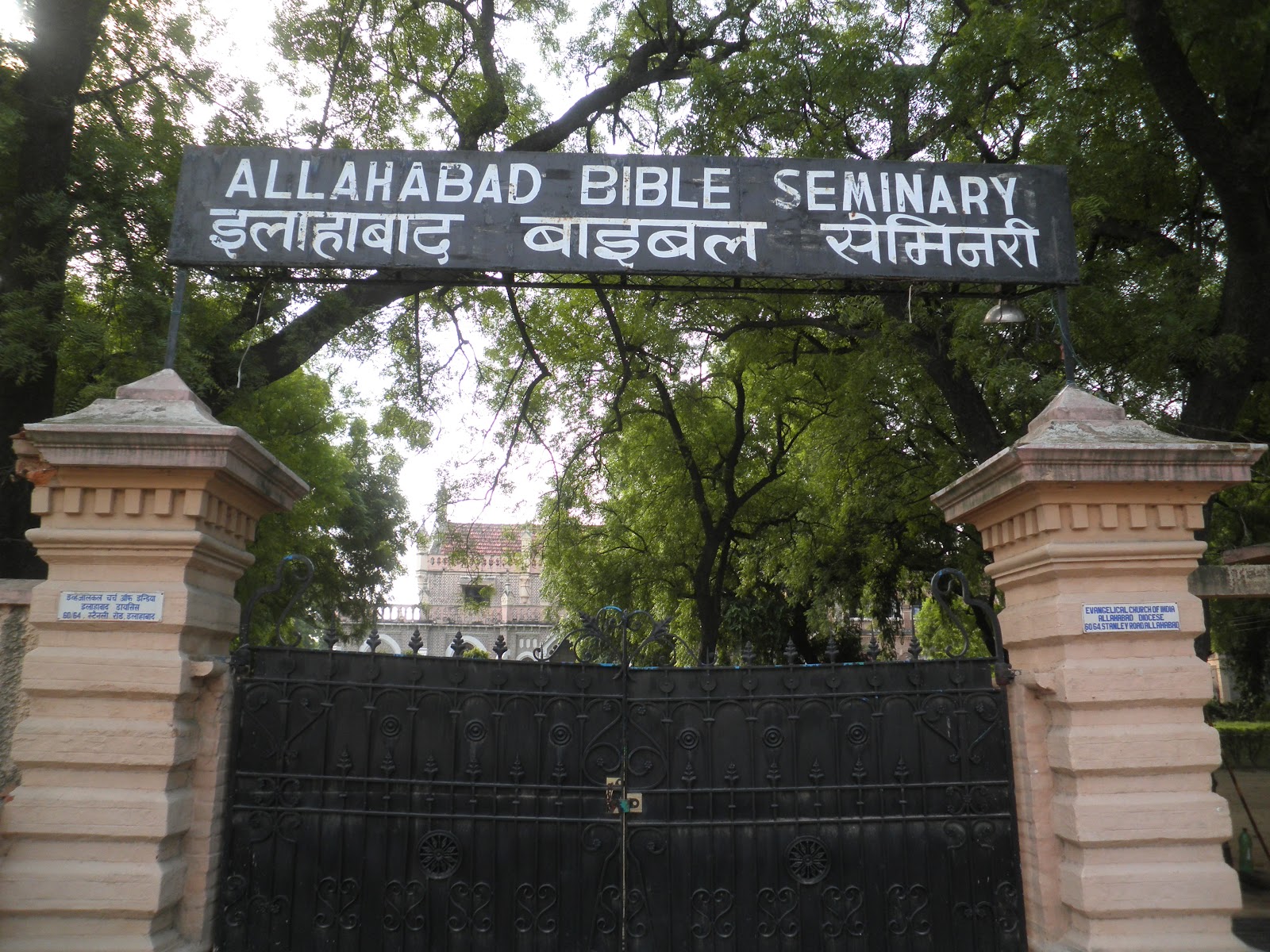
Somehow, by stretching and nudging the gear shift with the very tips of his fingers, the driver got us rolling down the highway.  Inconceivably, in every little bazaar we passed through he shouted out loudly, โ€œIllahabad. Kacheri chowk savari. Jaldi aa!โ€ as if he were the only one in the car.  Luckily, no one took up his offer and an hour and a half later just as the hottest sun of the day was turning into cool evening, we stopped in front of Allahabad Bible Seminary.  

Before I managed to tell the driver to wait while I got Rs 12 from my parents, the car lurched and sputtered down the Grand Trunk Road. 

48 hours after leaving Mussoorie I walked into the shady compound of home.  

** 

My parents were expecting me.  Mr. Kapadia had called to inform them that while the school didnโ€™t know my exact whereabouts, โ€œI suspect heโ€™s on his way to you.โ€ 

I spent a week at home.  When my folks grilled me about what had caused me to take such a drastic step I didnโ€™t know what to say. For the entire journey I had operated on the principle of forward motion.  I didnโ€™t doubt my feeling that I needed to be home and had spent no time analyzing why I had bolted. 

I had no words to express the oppression I felt inside. The monsoon, the mist, the mountains, the Bible Club, the school, the cold had all worked to make me feel agitated and disconnected. Out of sorts.  

My sister Beckie had graduated that summer and gone to the States for college. I was the last of my siblings, so perhaps I felt alone and vulnerable.  Without an older brother or sister as a reference point boarding school seemed more scary and hostile.   All I knew for sure was that I had an overwhelming but inarticulate need for home.   

After a week my dad put me back on the train. โ€œWe told Mr Kapadia that he has our agreement to punish you in whatever manner the school decides.โ€ 

It was matter-of-fact statement.  I didnโ€™t care. My inner battery was recharged. 

When I got back to Mussoorie I felt strong and connected.  And heroic. People that I had admired or been intimidated by looked at me in awe. โ€œRabe, you actually ran away! Far out!โ€ 

I donโ€™t know if anyone followed my example but for a brief moment I considered myself a trailblazer. 

Mr Kapadia informed me that I would be gated for 10 days. No extra curricular activity and straight home after school.  I was to serve my sentence in the home of the Harpers, whose son Phil, was a classmate.  Mrs Harper, a vivacious, larger-than-life, extremely liberal minded woman welcomed me with love, a no-nonsense attitude and French Toast for breakfast.   

โ€œIf you ever want to run away again,โ€ Mr Kapadia told me when it was all said and done, โ€œjust come to me. Weโ€™ll have a talk. If you want a cigarette Iโ€™ll let you smoke in my house.  Just donโ€™t frighten everyone by disappearing!โ€ 

Running Home (Pt. 2)

The Russians were easy to find.  I heard their tipsy, vodka-soaked laughter coming from a shady part of the compound. Four or five of them were sitting on adjacent porches of their apartments, their fleshy faces flushed red with heat and drink. 

As I approached, silence fell.  

I smiled, hoping it would break the ice. It didnโ€™t.  

They stared at me, obviously perplexed and irritated that I had interrupted their lunch break. One of the women whispered something to her friend. 

โ€œExcuse me,โ€ I began. 

By now I had my tale-of-woe down pat. I told them my mother was ill and I needed some money. โ€œI need to get to Allahabad, about 700 kilometers from here,โ€ 

โ€œNo. No money,โ€ one of them said.   

A couple others joined in the chorus. โ€œNo money. Go away.โ€  A man with huge arms and angry eyes said it louder than the others. With real authority.   

Having spent 8 years in boarding school I knew a lost cause when I met one. I turned back toward the gate.   

But I was dying of thirst. With a drinking gesture I said, โ€œCould I have some water?โ€ 

This second request really set them off.  Amidst the general clamor of, โ€œNo water. Go!โ€™, one of the men made a move towards me.  He didnโ€™t follow me but I didnโ€™t have a the courage to turn back and check until I was several meters down the path I had come up just a couple minutes earlier.  When I did turn they were still tense. They glared at me but as I retreated the laughing resumed.   

A mali was sitting in the shade on his haunches watering a guava tree. He beckoned me over.ย ย 

He held up the hose for me to drink.ย  He didnโ€™t say much and I didnโ€™t offer anything.ย  I have no doubt he had been watching the scene play out from a distance. I sensed it was one he himself was familiar with. I took his kindness as an act of solidarity.ย 

The thought of a 10 km ride back to Hardwar in the midday sun depressed me, especially as I was no richer for my effort.  I was too spent to formulate my next move, but I knew I needed to be in town where there existed at least the potential of assistance.   

I must have looked miserable pedaling along the highway because out of nowhere a man appeared. He had well oiled, wavy hair that glistened in the sun. He wore narrow legged pants and a plaid yellow shirt.  I canโ€™t remember how it happened but he successfully commandeered my bike, sat me on the rear carrier and began cycling toward Hardwar. 

Despite the heat, we got a bit of breeze going which cooled my cheeks slightly.  I vaguely remember the Stranger talking to me but canโ€™t recollect about what.  Before I knew it we were back at the Station. He dropped me at the cyclewala and even paid the outstanding balance. Then with a nod of his head he disappeared as unexpectedly as heโ€™d appeared. 

** 

I retreated to the relative comfort of the 1st class Waiting Room. I dozed on a rattan lounge chair with extendable arms that doubled as leg rests, one of the distinctive artifacts of railway waiting halls in those days.  But I was hungry. And more than a little anxious about how I was going to make the next leg of the journey. 

A middle class family were the only others in the Waiting Room. The patriarch reclined on a rattan chair like mine, staring blankly at a ceiling fan that swayed as it whirred. From time to time he lifted his buttocks and farted.ย  But other than that, he didnโ€™t move.ย 

He may have been oblivious to me but I had been watching him for some time. After one of his farts I cleared my throat and in my best Hindi launched into conversation. I learned they had come to Hardwar on yatra (pilgrimage) and were now heading back home. I asked him about his business (the nature of which Iโ€™ve forgotten) and may have said a nice thing or two about his young child.ย ย 

As a conversationalist he was unenthusiastic.  

โ€œMy mother is ill,โ€ I offered, hoping to pique his interest. 

He may have nodded, but if he did, it was ever so slightly. 

โ€œI need to get home. To Allahabad. But I have no money.โ€ 

โ€œWhy do you not have money?โ€ 

โ€œI was robbed,โ€ I found my mouth saying.ย  I couldnโ€™t believe it. But I was in the water now, so I had to keep paddling.ย ย 

โ€œThis morning on the way from Dehra Dun, it was very crowded in the bogie and when I got here I realized someone had stolen my money.โ€ 

He looked at me skeptically.  

โ€œCould you provide me with Rs. 20, so I could get a ticket? My mother is very ill.โ€ 

โ€œYou must report to the Railway Police, if you have been a victim of theft.โ€ย 

As far as he was concerned the conversation was over. The spinning fan captured his attention once more.  I felt foolish but let a decent interval pass before shuffling out of the Waiting Room. 

** 

Once again, 24 hours after the first occasion, I entered the office of an Indian Railways bureaucrat.  I had mulled over what the farting businessman had said. He was absolutely correct in his observation that the Police needed to be notified in the event of a crime.  But in this case there had been no crime committed so fronting up to the Police would not be the smartest tactic.  On the other hand, I was clean out of options. 

The Railway Police office was shabbier than the Station Masterโ€™s in Dehra Dun. The man behind the desk had a pot belly and sweat stains all over his khaki uniform.  His closely shaved head sported a choti, the little tuft of hair that identified him as a high caste Hindu.  Unlike the Station Master his face lit up when I stood in front of his desk. 

โ€œKya baat hai, baba?โ€ he asked. What is it, lad? 

Though he addressed me in Hindi he clearly didnโ€™t expect me to respond in kind. 

โ€œMeri ma bimaar hai, aur mere paas ticket ka kiraya nahi hai,โ€ I said, laying down the by now firm foundation of my story. 

โ€œArey! Hindi bolte!โ€ His belly jiggled with delight.  โ€œAy shabaash!โ€ 

Before I could continue with my dishonest story he shot a series of questions at me in an attempt to come to grips with the fact that a white kid could speak Hindi. 

I told him about me. I was American. I studied in Mussoorie. I was born in India. Rajesh Khanna was a good actor, yes.  

Whereas the Station Master in Dehra Dun had instantly linked Woodstock School and my being in his office to funny business, this jolly man didnโ€™t give a stuff.ย  Indeed, he was hooting to a couple of underlings about what a spectacular thing I was.ย 

Somehow in the midst of this excitement I managed to explain my dilemma: 700 kms. No money. Sickly mother. 

Before I knew it he grabbed my wrist and dragged me out of his office. A couple of minutes later we were seated at an open air dhaba that sold tea and fast food to the throngs around the station.ย ย ย 

He instructed the dhabawala to give me a plate of curry and a few chapatis. โ€œThis fellow is American but born in India! Itโ€™s true. And he speaks spasht Hindi! Just listen.โ€  He could hardly contain himself. 

Though my mouth was full (this was my first food in nearly 36 hours) I knew this was price I had to pay for my dinner. A small crowd had appeared; rather the endless crowd of passersby stopped for a moment to look at me. It was my cue.ย ย ย 

I restated in Hindi what I had told the Policeman a few minutes earlier, that I was American, born in India, lived in Allahabad but studied in Mussoorie. 

People marveled and exclaimed. The Policeman couldnโ€™t have beamed wider had I been his son. He ordered my plate to be filled. I ate up. He continued to hold court but eventually passersby grew bored and the rhythm of the bazaar returned to normal.   

The Police Inspector led me back to his office.  I was grateful for the meal but had no idea how I was going to make it home. 

He pressed a buzzer on his desk which immediately produced an underling.  The underling was sent forth to find others and after several minutes returned with two colleagues who carried rifles and bulleted shoulder straps.  They noisily pushed a pair of prisoners into the office in front of them.  With their legs and wrists in irons the prisoners shuffled and clanged like cheap robots.  

The inspector didnโ€™t move from his desk and in a loud voice told the newly arrived cops that they were to include me in their party.ย  They were on official duty, transporting criminals from Hardwar to the state capital, Lucknow.ย  โ€œYou take this boy with you to Lucknow but do not let anyone, and I mean anyone, speak with him.โ€ย 

With that, the chubby Police Inspector himself walked me to a train and bade me bon voyage.  I was on my way at last. Still with no ticket but a pair of personal armed guards.  

Running Home (pt 1)

When I was 15 I ran away.

Like most teenagers, I had a fantasy about running away from home.  I was going to escape and ride my push bike 2500 km to the tip of India. I was going to live a life free of adult authority along the Grand Trunk road. I was going to go far away.

But when the moment came to make a dash, I ran straight home.

**

The Himalayan monsoon that year seemed to have no end. The rains had come early and weeks went by without a glimpse of blue sky. By mid-July, my heart was aching for some warmth and a flat horizon

Mussoorie, the hill station where I attended boarding school, was  hemmed in with a brittle, misty fog that pricked your skin like needles. Every tree dripped. The narrow dirt trails we navigated around the hillside had turned into rivelets of mud.

One Sunday the claustrophobia was particularly intense. The dampness of the trees, clouds and earth had soaked into every pore of my body. I couldnโ€™t get warm and I couldnโ€™t shake the restlessness that had been building up for days.

I and a few friends had spent the weekend in the basement of a friendโ€™s house at the top of a prominent hill in town. On Sunday afternoon, the crowd I hung with attended Bible Club–two hours of singing, praying and Bible teaching mixed with ping pong, homemade cakes and pretty girls.

That Sunday I sat glumly to one side, resentlng the endless rendition of โ€œPut Your Hand in the Hand of the Manโ€, coming from a keen group of devotees in the main room. Tim Buehlerโ€™s electric guitar had been a novelty the previous year. Today it grated my nerves. I wanted to be away. To be far from this place and be by myself. I pushed my way through my friends to the door which I closed quietly behind me.  

And then I began to run.

My mind was blank but my body took control. I sprinted up the dirt path to the chukkar, a concrete motor road that ran around the top of the hill. Within seconds, almost with every step, a plan developed in my mind.  Ten minutes of jogging got me to Dr Olsenโ€™s place. I charged into the basement and rifled through the pockets of whosever jeans I could find. I fished out three rupees from one pair.  With my sleeping roll under my arm, I half marched, half ran down the chakkar toward town.

My heart beat madly. I was exhilarated by my decision though I was not yet sure what it was. I was heading for the bazaar but I didnโ€™t dare think too much about it.

One of the rules of school was that students were not allowed in Mussoorie town, one of Indiaโ€™s most famous tourist destinations, alone and without the permission of a parent or staff member, except on Saturdays. I knew if I met anyone remotely connected with the hierarchy of the school–staff, staffโ€™s spouse, school karmachari or friend of a staff member–I could be legitimately questioned about my presence in town. If I had no written notice on me I would be forced to return.

I made it down Mullingar Hill, a ski slope of a road that wound through Landour, unnoticed. A few shop keepers eyed me with some surprise as I passed by but none tried to stop me.

My biggest fear was meeting Mr Kapadia, the In-Charge of Hostel, the highschool boys residential hall where I lived. In addition to being a strict disciplinarian, Mr K was known to be a raconteur who often went drinking of an evening with his Rotary buddies. What if he approached, gambolling home slightly tipsy?

While my eyes flitted like a criminalโ€™s ahead, to the side and even back, searching for a familiar face, I realized that this was the first time I had actually been in the bazaar on a non-Saturday. The worn familiarity of the alleys and shops had been replaced by a hostile feeling, as if a friend had turned against me. I breathed deep and kept going.

At Thukralโ€™s Photo Studio I sensed victory. It was now only a 5 minute walk to the bus stand. That was the first destination in my half baked plan. What I would do once there I hadnโ€™t yet figured out.

I approached the ticket cubicle of the UP State Roadways Transport Service and shoved my three rupee notes across the counter. A man gave me 75 paise in change along with a ticket.  He nodded at the appropriate bus. It was empty. Not wanting to take a chance I lay down on the seats and waited for the bus to start. Not many people were travelling that evening and once we started swaying around the hairpin bends I sat up. For the first time in weeks I felt myself relax.

**

The bus deposited me at the Dehra Dun Railway station. I knew now that my soul was taking me home to Allahabad, 860 kilometers to the east, but how I was to make the journey remained a mystery. My buying power, all of 75 paise, was limited to 3 cups of tea.

Without much thought (my body still operated as an independent agent) I marched into the Station Masterโ€™s office on the main platform. The room was long, orderly and brightly lit by neon tubes that hummed like a swarm of bees.

A uniformed official sat behind a desk surrounded by phones and stacks of papers. He looked up as I came in. I opened my mouth. What came out surprised me. โ€œMy mother is sick and I need to return to Allahabad, urgently. I have no money for tonightโ€™s train.โ€ 

He surveyed me for a moment. โ€œYou are a student of Woodstock School?โ€

I nodded.

โ€œDoes Mr Kapadia know you are here?โ€

The mention of the name sent a shiver though my body. I must have mumbled something but canโ€™t recall what. I seemed a stranger to myself.

He reached for a phone and dialled a number. The game was up. I froze.  After a minute he put the phone down and said there was no answer. I backed out of his office. He may or may not have called the Much Feared Kapadia, but he didnโ€™t pursue me.

With Plan A foiled I was fresh out of plans. I paced up and down the platform struggling to keep my panic under check. I knew if I could make it to Hardwar, a couple three hours down the track Iโ€™d feel safer. I knew someone there, or at least had a name and a face, if no address. Hardwar was that much further into the Indian plain. And that much farther away from the horrid imprisoning hills. But a certain distance had to be traversed yet. I bought a cup of tea and squatted down to contemplate the dilemma.

The night came up quickly. Tube lights flickered on. I was getting hungry but needed to hold on to my meagre resources, now just half a rupee. Some trains came and others went. I watched them as years later I would watch planes high in the sky and wish I was on them. The beast within me was restless again. He didnโ€™t like this hanging about. I kept walking the platform, crossing the footbridges and back again.

โ€œWhere you headed,โ€ a coolie asked me as I shuffled by. He was on his haunches, cupping a bidi in his fist. I squatted next to him and mumbled, โ€œHardwar.โ€

โ€œThat one leaves tomorrow morning, eight oโ€™clock,โ€ he said indicating a dark chain of carriages.

I would have shared his bidi if he had asked. I usually smoked Four Square when my friends and I were in our secret tea shops in Mussoorie. I wanted smoke in my lungs at that moment. Heat and fire to match my restless anger. He didnโ€™t offer me the bidi but he did yell at a nearby chai wala to give me a clay matka of tea and a nice, soft, cellophane-wrapped tea bun.

I slurped the tea, gratefully. As I chewed, the coolie and I chatted. He asked  where I was from, who my father was and what sort of service he did. I admired the brass identity badge on his arm with a number that certified his official status as a porter. He treated me as if I was his nephew, not a stranger. After a while, when our conversation slowed he showed me where to lay out my sleeping bag on the platform. โ€œIn the morning, the bogie you want will stop right here.โ€

During our chat he had assured me that I shouldnโ€™t worry about not having a ticket. โ€œDo you think all these people have tickets?โ€ His tone indicated what the answer was. โ€œJust donโ€™t jump into a reserved bogie and no one will even look at you.โ€

The following morning the platform was chaos. As I rolled up my gear my coolie friend appeared amidst the melee. He told me to follow him, then elbowed and abused his way to the carriage. He sat me down by a window. Before he disappeared he smiled at me.

The train started to roll. This was electrifying. Traversing India by train, perhaps because I did it so little and mostly on holidays, was always a thrill. As the carriages lurched and swayed through the ancient Siwalik range I couldnโ€™t have cared less that I had no money, had not eaten a meal in 24 hours and had no address for my friend in the rather large and rather holy pilgrim city of Hardwar, just a couple hours in the future. The sound, the motion and the hot breeze generated by the coal fueled engine had my heart racing. This was very illegal and very fun.

Around mid-morning we pulled into Hardwar. First hurdle was to get past the official who stood at the exit collecting tickets.  One option was to press into the crowd and attempt to squeeze through unnoticed. But with a white face, this was a risky stategy. Instead, I held back until the exiting throng had dissipated and the TC with his pockets full of little cardboard tickets, retired to his fan cooled office. With the coast clear I quickly stepped out of the gate and into the heat.

My plan, such as it was, was to rent a cycle for the day, and seek out a church where I was certain Iโ€™d find someone who knew my friend, a recently graduated seminarian from the college where my Dad was principal. In such a predominantly Hindu town as Hardwar, I figured there would be no more than a handful of churches and that they would stick out like sore thumbs. Everyone would know where to find them.

Near the station I found a hire shop and rented an Atlas bike for Rs 1. I gave the man my remaining change and promised the remainder upon return. As I swung my leg onto the seat I asked him where the church was. He shrugged and went back to work. I quickly realized that people came to Harwar to vist a handful of monumental Hindu holy spots and left. Churches were not on anybodyโ€™s menu of interesting places.

A passerby called out to me and asked with a twist of his fingers where I was going? โ€œIโ€™m looking for a church to find a friend.โ€

He acted as if he wasnโ€™t listening but then said, โ€œYouโ€™ll find your kind in Jalalabad, at the BHEL compound.โ€

โ€œChristians?โ€ I said, sounding like a young Vasco da Gama.

Again he shrugged. โ€œRussians. They run that place. Go there they will help you.โ€ He moved away into the crowd.

This was great news. White people. Russians, sure, but white folks nonetheless. I headed toward Jalalabad and after cycling for some time asked a man how far it was. โ€œ8 kms,โ€ he said.

My heart quivered. 8 kilometeres?!

The sun was high. My legs felt like they were swelling inside my jeans. Still, the Russians were my only hope.  I pushed on and perhaps half an hour later sighted the huge Bharat Heavy Electrical Limited complex. Tall brick walls with electrified barbed wire skirted a massive industrial estate. Yet the gate was unattended so I wheeled myself in.