By mid-1951 Dad and Mom’s preparations to leave for India were in high gear. The few worldly possessions they had accumulated were packed away, ready to be shipped to their new home, or stored in the garages and basements of relatives in Minneapolis. They had been recruited by a mission board known as the Oriental Missionary Society (OMS), a minnow in a lake dominated by the mainline Methodist and Presbyterian churches.
They were excited but anxious, not knowing what to expect or how to prepare for what was going to be their first 5yr tour of duty. They received two bits of advice from senior missionaries. Dad writes about the first one:
Orville French (an OMS missionary in India) accompanied us for a walk. He encouraged us to keep focused on India–’a desperately dark and needy land’, he said. Later while studying in Houghton [College, New York] we corresponded with the Frenches who had arrived in Gadag by then. In one of his letters Orville asked us about our conjugal relationship. Hmm. He said that couples planning to serve in India, especially, needed to be sure that they were well adjusted sexually, and ‘at peace’ with their sex lives. For India, he warned, was a place where sex was overtly ‘worshipped’ (Shiva phallus symbol, erotic temple carvings etc.) and this might prove to be troublesome! His concern was doubtless given in the context of what happened to two missionary families who were forced to return home because of the husbands’ improprieties. Orville’s questions we found a bit intriguing, and actually the ‘only word of counsel’ we had from OMS on how to get ready for India.
Now. If there ever was a paragraph that deserved unpacking, this is it. But Dad’s final statement is not entirely accurate. Mom wrote of another piece of advice they received, this time from Orville’s wife, Aileen.
Aileen, in response to my queries as to what to bring with us, replied that India (and Gadag in particular) was rather drab and dreary, so ‘Bring whatever you can to make your home cheery and cozy.’ One surprising suggestion was to bring toilet paper—India’s being hard to obtain and or poor quality, if and when available. We packed a [55 gallon] drum full of it when we sailed for our first term.
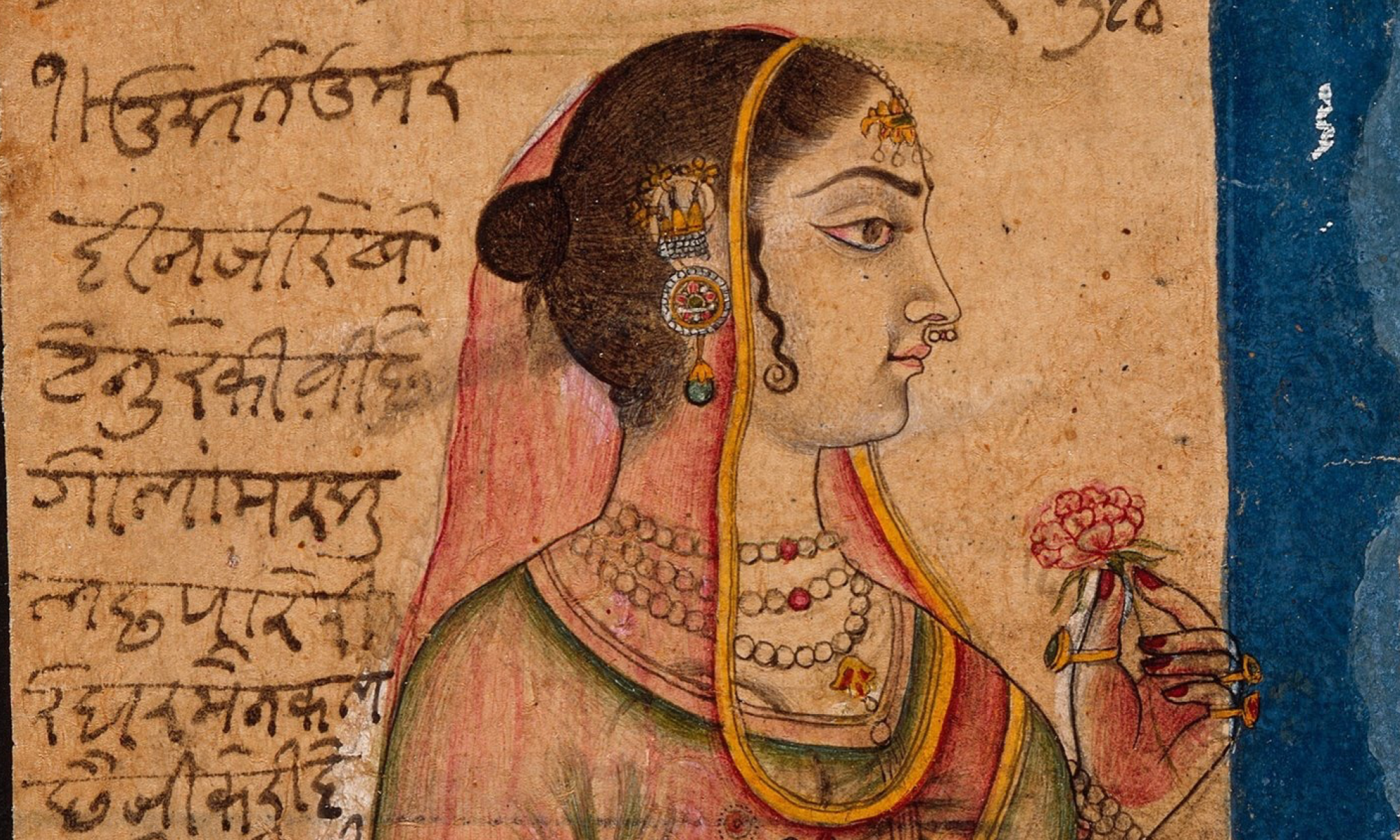
Thus alerted to the pitfalls they could expect to find, they were ready to set sail from New York in September, 1951. With tickets booked and much of their luggage enroute to New York, they were informed that their visa had been refused by the Indian government. This was, in Dad’s words, ‘a slap in the face’ and suddenly it looked as if the erotic temples, jewel encrusted turbans and lost souls would remain figments of their imaginations forever.
The Indian government’s hardening stance against new missionaries was a theme of many family conversations throughout my childhood. Though individuals who could be classified as Christian missionaries had been in India since the early years after the crucifixion of Jesus of Nazareth and though southern India was home to one of the oldest orthodox churches in the world, predating any European missionary presence by centuries, the ‘modern’ missionary movement in India really began in the early 18th century.
It is a story filled with ups and downs and long periods of marginalization followed by shorter bouts by lionization before an inevitable return to ostracism. I’ll write more about that at some other point, but for now, the refusal of a visa for Mom and Dad, though disappointing for them, was not surprising given the political context of a newly independent country.
Indian elites had waged an ever more acrimonious and violent war of resistance against Imperial Britian, aka The Raj, for decades. Indeed, you could make the case that the ‘natives had been restless’ for more than a century and that the first mass armed uprising against the British had taken place in 1857, when a loose coalition of soldiers, disempowered regional rulers and peasants, nearly succeeded in wiping all Europeans off the north Indian map.
The country’s new rulers, though committed to building a non-sectarian, secular state, viewed missionaries as a subversive, antiquated, anachronistic and altogether unwanted cohort of foreigners living in their midst. Missionary evangelizing, as unsuccessful as it was in convincing more than a handful of Indians to renounce the faith of their birth, was especially hated.
Prominent leaders including the Governor General Mr. Rajagopalachari and Prime Minister Nehru expressed their views that missionaries were cultural aggressors and foreign fifth columnists. An official investigation in the early 50s by the government of Madhya Pradesh concluded:
Evangelisation in India appears to be part of a uniform world policy to revive Christendom, to re-establish Western supremacy and is not prompted by spiritual motives. The objective is to disrupt the solidarity of the non-Christian societies, with danger to the security of the State. Enormous sums of foreign money flow into the country, and it is out of such funds that the Lutherans and other proselytising agencies were able to secure nearly four thousand converts. Missions are in some places used to serve extra-religious ends. As conversion muddles the convert’s sense of solidarity with his society there is a danger of his loyalty to his country being undermined.
A vile propaganda against the religion of the majority is being systematically and deliberately carried out so as to create an apprehension of breach of public peace. There has been an appreciable increase in the American personnel of missionary organisations in India.
Which must be halted immediately, the report declared.
Things didn’t look good for wannabe missionaries like Rudy and Eleanore Rabe and their two young sons Michael (4) and Gregg (2).

 Missionaries, Mercenaries and Misfits