5 Best American Pop Songs as understood by a teenager in a hill station in North India in 1970

In the 1960s and ’70s, Indiaย wasn’tย a place to buy the latest Western pop music. In the few shops that sold LPs, you might find some Mantovani, the odd Herb Alpert and the TJB, quite a bit of Ventures and always,ย India’s very own Englebertย Humperdink.ย 
ย 
The Beatles was rare, as was Deep Purple and The Doors. But amazingly, Simon and Garfunkelโ€™sโ€ฏBridge Over Troubled Watersโ€ฏwas readily available and quite popular. Indeed, so precious was Western vinyl in those ancient days that I once made a handy sum selling some old Elvis and Beatles LPs to the management of Allahabadโ€™s coolest dining venue, El Chico. I knew nothing about the music and cared even less. I was aย 13 year oldย cashing in. But the two middle-aged menย didnโ€™tย even bargain when I offered them the records. They handed over the 25 or 30 rupees I thought they might be worth. An early example of what is now called a “win-win” situation.ย 
ย 
But somehow, some way, we young people, did develop an ear for rock โ€˜n roll, or what we thought qualified as such. I, much later, learned that there were indeedย ultra-hipย clubs in Delhi, Calcutta andย Bombayย where not just rock โ€˜n roll was bashed out by Indian bands, but also some very cool jazz, I was too young at the time to get to such clubs.ย 
ย 
Instead, my early learning began during the intervals at Rialto or Picture Palace cinemas in Mussoorie. As the lights came up and the hawkers entered the hall like storm troopers, a scratchy recording of Cliff Richards or the Beatles would fill the room. It would blast ย over and over, for the next 20 minutes, while ticket holders relieved themselves, sipped a Fanta or puckered their faces to the taste ofย mangoโ€ฏpapad dipped in chili salt.ย 
ย 
In eateries like The Tavern (on theย Mall) andย Kwalitysย you could also hear the odd rock song. How our teenage hearts thrilled! It made us American kids feel like we were somehow connecting with the “homeland” even though we had only the vaguest idea of what the States, Australia or England were really like.ย 
ย 
Here are five of the most famous Western rock โ€˜n roll songs that nurtured and inspired an entire generation of Indianย (and American expat)ย boys and girls.ย 

For what seemed years, this was the song that blasted out of the Rialto cinema in Mussoorie during intermission. We went every Saturday to see a show and soon knew this song by heart. Sir Cliff, of course, like Mr Humperdink, was another native son and thus had pride of place in any rock and roll rotation.

An absolute icon of a song. This suave Santana anthem penetrated the consciousness of Indiaโ€™s urban, West-looking youth, like nothing else. It was almost guaranteed to be heard in every darkened restaurant, bar and coffee shop from Srinagar to Srirangapatnam. 

Someone eventually had a quiet word with the projectionist at the Rialto.โ€ฏ Congratulationsโ€ฏwasย ditched forโ€ฏThe Ballad of John and Yoko.โ€ฏ This was then played for the next three years straight. We loved it! โ€œChrist! You know itย ainโ€™tย easy.” Boy! Lennon was singing for us!ย 

Likeโ€ฏBlack Magic Woman,โ€ฏCCRโ€™s first big hitโ€ฏBorn on the Bayouโ€ฏtouched something in the Indian spirit.ย Itโ€™sย heavy, bluesy riff seemed to connect with nothing that Bollywood was producing.ย Perhaps thatย is why it caught on.โ€ฏ So influential was this song that an Indian garage band called theย Xโ€™lentsย made a cover of it.ย 

The Ventures were pretty well known in India in the ’60s and ’70s. If you couldnโ€™t identify their name you knew the sound. Their album covers were bright and as the ’70s broke, covered with very beautiful babes in interesting poses. This crisp little number was as big a hit in Hyderabad as it was in Honolulu. 
 
Peace, man! 

This War in Iran has me thinking

of a quote I had posted to my wall when I was a working man.

The code of tribal wisdom says that when you discover you are riding a dead horse, the best strategy is to dismount. But NGOs often try strategies with dead horses including the following:

o Buying a stronger whip

o Changing riders

o Charging a lower price for the ride

o Saying things like, โ€œThis is the way weโ€™ve always ridden this horse.โ€

o Appointing a committee to study the horse

o Declaring the horse is faster, better, cheaper dead

o Harnessing several dead horses together for better speed.

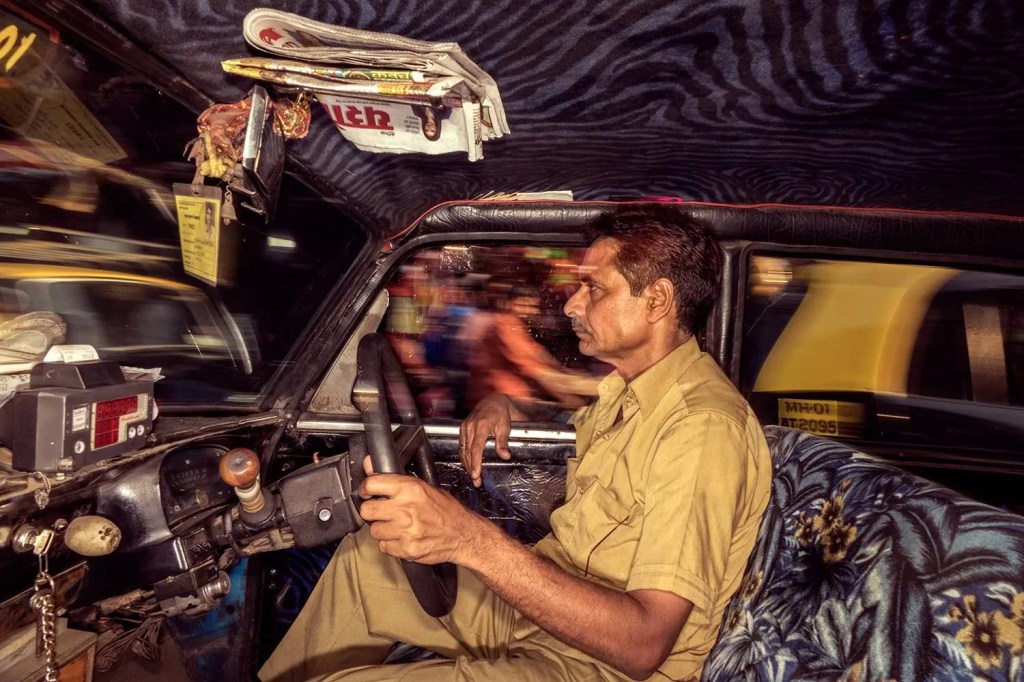
Recalled Conversations: Taxi driver, Delhi.

Photo by Dougie Wallace

For the first several minutes he said nothing, just guiding his yellow and black Suzuki taxi through the clamorous traffic of midday Delhi.   My daughter wanted me to ask him what his name was.  โ€œJai Bhagwan,โ€ he said. โ€œAn old-fashioned name.โ€ His smile is half apologetic.

โ€œYouโ€™ll be going to Jaipur? Thatโ€™s a beautiful city. They call it the Pink City. Its a five hour drive from Delhi and Pushkar is another 2 or 2 and half hours further.  Youโ€™ll stay in Pushkar for a few days? No? I see, just for a day. Ajmer is just half hour more away. What a place that is. Moinuddin Chisti…the Emperor of India!  Will you be taking the train from Ajmer to Varanasi?  No, from Agra. Ok. I see, your agent arranged it that way. Watch out for these agents. Theyโ€™re in it for themselves, a lot of them.

This traffic is like this but not for too long. Thereโ€™s a fly over up  ahead and the road narrows so everything slows down to a crawl. But soon weโ€™ll be moving again.  Yes, that metro line was made for the Commonwealth Games in 2010. What a rip off!  The organizers stole 80% of the investments. Only 20% was spent on the infrastructure. The main crook, Kapladi is in jail but what does it matter. It wonโ€™t change anything. The rich and our netas donโ€™t give a shit. All the rules are for the poor, not one of them is for the rich.  It never changes.

My people used to own the land around the airport.  A long time ago the government came and forced us off the land and gave us Rs1.40 per square meter! A very low price. But they got what they wanted. You know Gandhi? They say he is the father of the nation. We say heโ€™s the number one Thief. Donโ€™t believe me? What did he ever do for us? Did he do anything to improve our lot? He and Nehru did everything for themselves and to make their own money and name.  Gandhi, the old bastard, used to feed his goat grapes while the rest of the country starved. 

The real hero of India was Subhas Chandra Bose. What a guy. You know what his slogan was? Give me your blood and Iโ€™ll give you freedom!  He was a man of action. Thatโ€™s why they killed him. You know Gandhi could have freed Bhagat Singh but he didnโ€™t. He let him hang. All for his own glory.

Ambedkar? Yeah, he was a good man too.  He wrote the Constitution. No one else could have done that. He was a great man actually. I have nothing bad to say about Ambedkar.

Right, weโ€™re almost at your destination. Just 5-10 minutes more.โ€

Break in transmission

Hello dear friends.

Life as they say is always full of surprises and U turns and black ice.

I’ve neglected this blog due to all of the above. It may continue for a while. Or maybe not.

It’s Life.

Thanks for your support and encouragement through many years. I will definitely be back at some point but unlikely to be posting regularly until the turbulent skies clear a little.

Other than that, I am physically and mentally well.

My bandwidth is very limited.

Faces and Sonder

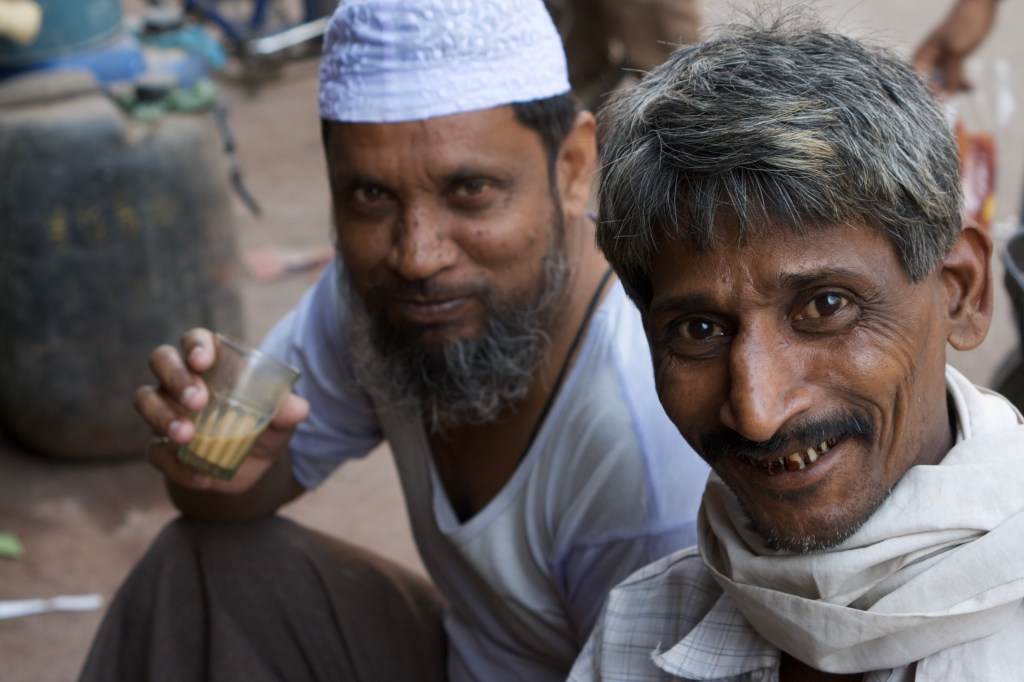
One of the most telling ‘words’ in the English language is sonder. Defined in the Dictionary of Obscure Sorrows, sonder is, “the realisation that each random passerby is living a life as vivid and complex as your own”. It highlights the profound and often overlooked fact that everyone around us is experiencing a unique and intricate existence, similar to our own.

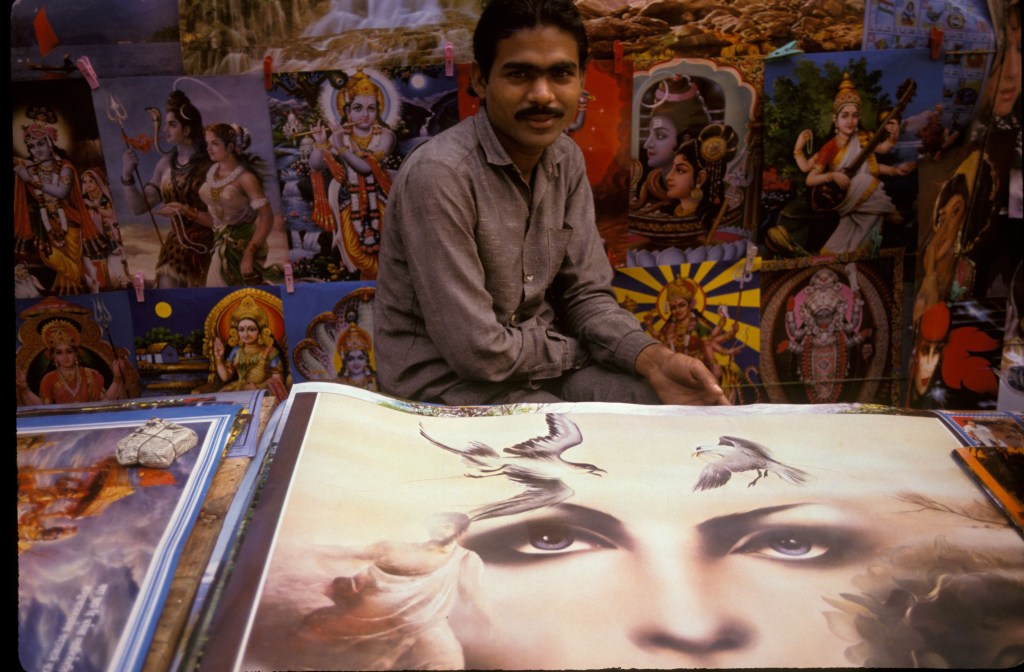
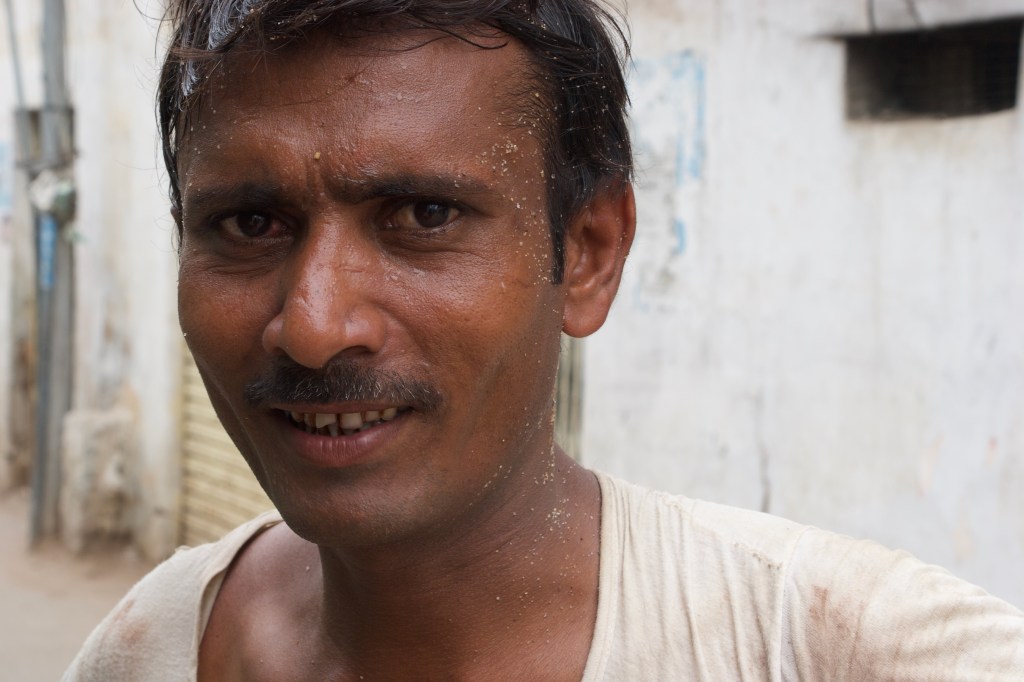
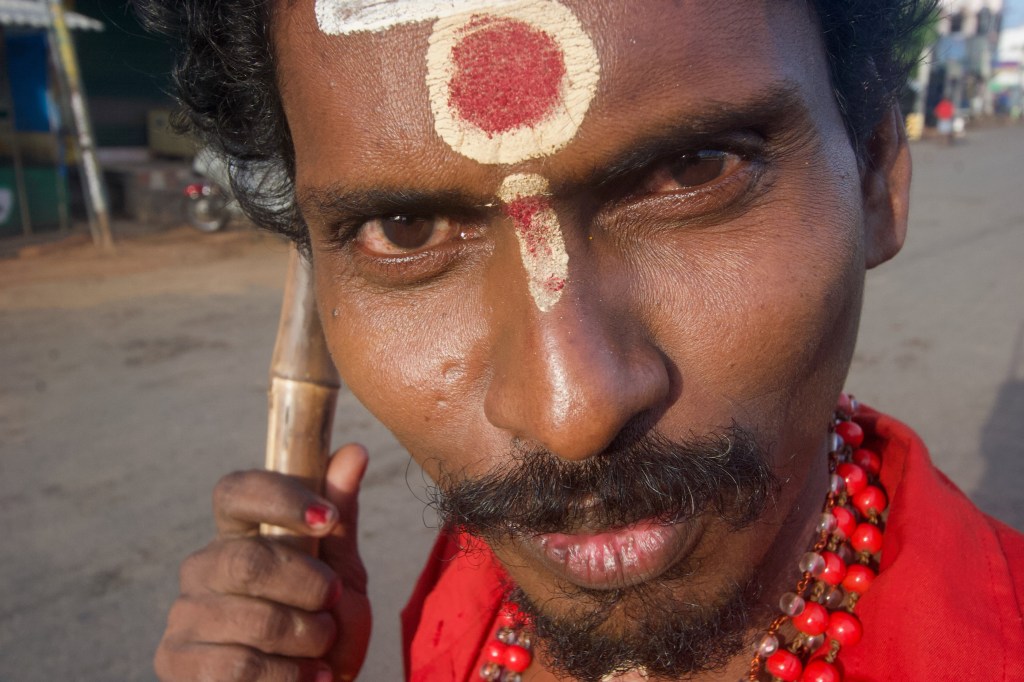
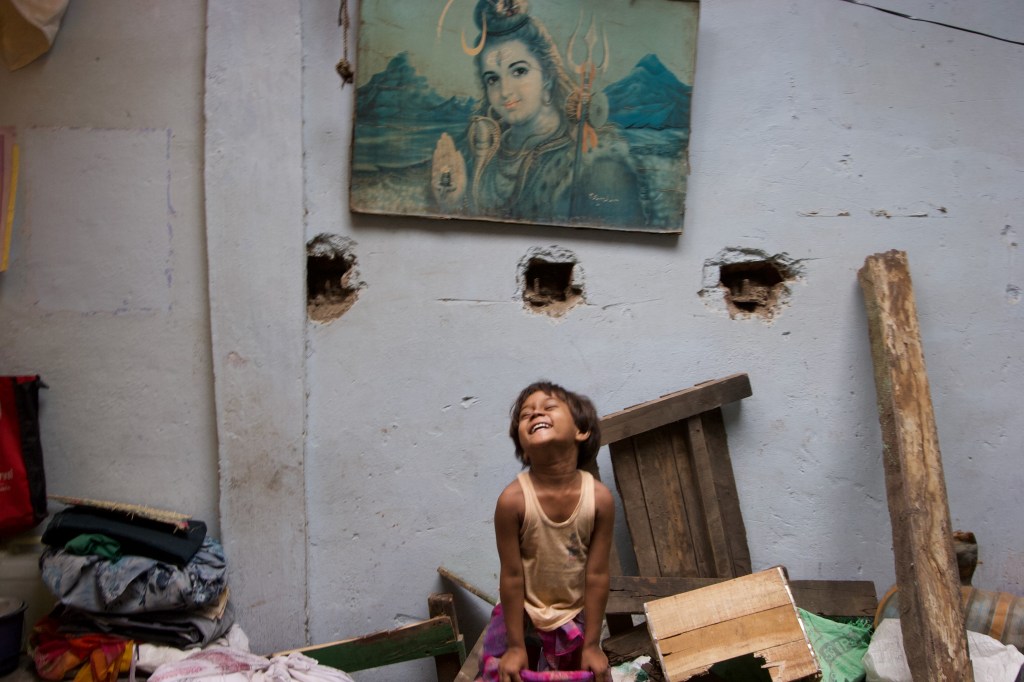
I don’t take many portraits these days. But over the years I’ve captured a few faces that I cause me to enter a state of sonder.

Double click on each image for a full screen experience.

Real Politics beats Anger-tainment

Anthony ‘Albo’ Albanese

Last night Australians demonstrated their good sense, groundedness and well-honed pique in a big way. They voted for an imminently moderate, Elmer Fudd-like, Labor party lifer, someone who I (like almost all Aussies, except Labor party lifers) thought would probably lose the election or be so constrained by the political forces around him and his party that he/we would limp through another 3 years of soothing talk but precious little action on things we all care about: climate action, costs of life and health care.

His opposite number, the bald pated ex-Queensland cop (for non Australians, that is like being an ex-LAPD cop) not only the lost the election but also was given a tight kick in the pants by his own constituents. His career was yanked out from under him and there will be few tears shed.

Peter ‘Spud’ Dutton/Trumpf

I watched Albo’s acceptance speech. This guy has turned from Elmer Fudd into Conan the Barbarian! He spoke like he has rarely done. Confident, strong-voiced (yes he still has a high, slightly silly voice) and full of grace, goodwill and kindness. He didn’t bag the Liberals or his counterpart. He spoke of doing things the ‘Australian way’, with decency and kindness and caring for those doing it tough.

It’s easy to get cynical about politics and I’m a deep cynic. But I felt my chest swelling (for once outdoing my belly) as he spoke. I especially felt glad and proud to be Australian for one of the first times since I became a citizen. I am so grateful to be living in a country that despite being full of larrikins, (Crocodile) Dundees and (Breaker) Morants and which can be pretty crude from time to time, is indeed a country in which decency is deeply felt and practiced across all layers of society.

Pundits predicted a minority government for Labor. Once again, they got it wrong. Not only did Labor win a thumping majority, on track to have more than twice the number of seats of the Libs, but have won the largest number of primary votes (sort of like the popular vote in the USA) ever by a Labor government since WWII. And that includes those of Gough Whitlam, Bob Hawke and Kevin Rudd!

The Liberals have experienced a plane crash in which most of their leaders (a pretty low standard I admit) are gone and their brightest rising stars have all been killed. They have almost no (zero, zip) representation in the major urban centres of the country where most Aussies live. They’ve lost young people, women and the sane.

The Liberal/National Party are now even more adrift than the American Republicans. At least the spineless yesmen of the GOP are united in blindly marching over the cliff. Where they stand is clear…behind Trump with their noses and tongues on his arse. Their Australian wanna-be’s have no idea of what they want, should want and most of all have spent nearly two decades stubbornly ignoring what their own constituents want. Good luck to the grubs.

The Australian Labor Party has delivered every major social and economic reform that makes us a modern serious country. It began with Whitlam 50 years ago and continued through Julia Gillard. The Liberal grubs have done nothing but undermine, block and seek to take a torch to all of these reforms all the while espousing pioneering ideas on how to mistreat asylum seekers (El Salvador and Trump have lifted the overseas gulag idea from the Liberals), demonstrated their luddite attitude toward technology while all the time bashing the oldest human culture, Australia’s Aboriginal and Torres Strait Island peoples, at every turn.

Like the Republicans in Washington they’ve become more extreme and stupid with every election. They can be formidable in opposition but perfectly inept and corrupt when every they get near the cookie jar. Their analysis of their own coalition and approach was summarised by a senior Liberal senator last night as a ‘knife fight’.

Corruption, fear mongering. A party of drunks and women haters the LNP is out of touch with Australians on every single issue. So confused were they this time they actually took a policy of ‘tax increases’ to the election.

We did the needful, Australia. We wiped them off the mat, save for a few skid marks.

Suddenly, we are in a new era of gradual change but decency in public life. That sounds like a winner to me.

Trump was a definite factor in the final tally. Dutton praised Trump’s ‘big thinking’ and announced a cut of 40,000 bureaucrats which went down like a loud fart in church. One of the Party’s attack dogs, a young Aboriginal woman, who goes about with 3 or four bouncer types pinned in close, swore to Make Australia Great Again and proudly sported the ubiquitous red cap.

In the words of a former Liberal Prime Minister, a man who was politically assassinated by Peter Dutton in one of their Party’s famous ‘knife fights’, Trump was the mood music in the background to the election. Very clearly Australians don’t dig that sort of music. Another reason to be proud today. Trump was not THE factor as in Canada. The LNP just got whupped everywhere on every issue. Refer to my comments on ineptitude above.

So, today is a bright sunny day. Literally and politically. This has been a victory for consistent trimming of the “system” in favour of the non-millionaire class, calm and considered responses to the devils Trumpism has released. Australians chose not to go with radical ambition or goofy ideas but rather voted for the dull, the gradual and the diligence of the Labor Party lifers.

Huzzah!

Deep Dive: The Wadia Brothers and the Masked Woman

Lollywood: stories of Pakistanโ€™s unlikely film industry

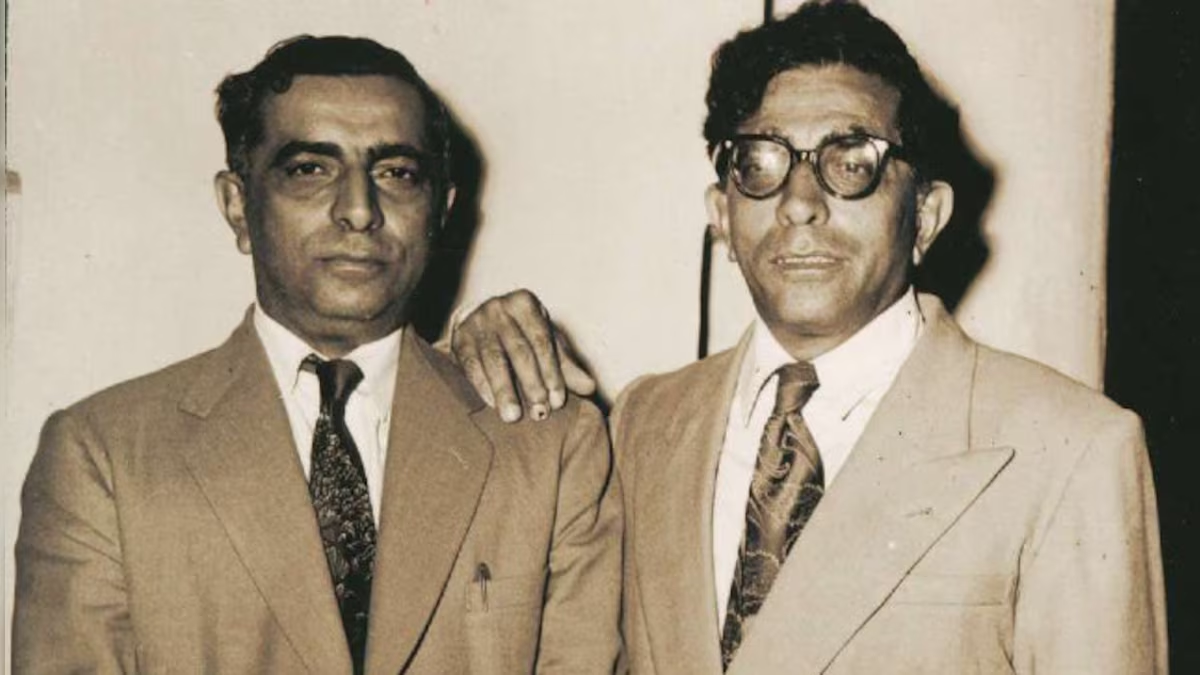
Homi & JBH Wadia

Of the many Parsi clans who leveraged their interaction with the British in Bombay to establish themselves as economic powerhouses, even to this day, the shipbuilding Wadia family is worth a closer look.

Even before the community fled Persia to seek refuge along Indiaโ€™s western coast, the Zoroastrians were renowned ship builders and sailors. During the reign of King Darius (522-486 BCE) the Persians had learned well from the Phoenicians (1200-800 BCE) and become the acknowledged shipbuilding and maritime empire of the epoch.  Though their numbers were tiny in their new home in India, (never more than 100,000) the community kept these ancient skills alive.

Settled and working out of Surat, the Wadia (Gujarati for โ€˜ship builderโ€™) clan, interacted with the various European trading nationsโ€”Portugal, Netherlands, Franceโ€”that sought trade with the Mughal empire and its wealthy business communities of Gujarat. When the rather slow-starting English received the islands of Bombay from the Portuguese, Parsis began to migrate from the hinterland south. One of Suratโ€™s most prominent shipbuilders, a Parsi named Lovji Nusserwanji Wadia who had built ships for a number of European trading firms in Surat, was invited by the English to establish a branch of the family business in Bombay.  And so, beginning in 1736, Lovji along with his brother Sorabji set to work building Asiaโ€™s first dry docking facility where EIC ships could be drawn entirely out of the water to be repaired and refurbished.  This single bit of infrastructure increased the economic and strategic value of Bombay immensely. It brought to the foreground Bombayโ€™s exceptional qualities as one of the best deep water harbours (the city’s name derives from the Portuguese words Bom (good) and Bahia (harbour)) from which the British, with their new infrastructure and world-class Parsi shipbuilders, were able to not only vanquish the Portuguese, Dutch and regional Indian naval powers but also clear the Arabian Sea of pirates which led to a steady increase in traffic and trade.  By the mid-19th century Bombay had become a major international commercial and naval port and the most important city in British India.

By 1759 the dry dock was operational. At the same time the brothers Wadia were providing many of the ships that carried cotton and spices and eventually that fateful black gold, opium, from India to China and other Asian ports.  Given the EICโ€™s monopoly on the Indian trade and the massive growth in the economy opium facilitated, particularly in the first part of the 19th century, the Wadiaโ€™s became immensely wealthy. Theirs was a full-service enterprise, building single-sailed sloops, water boats that managed trade up and down the west coast, beautifully sleek, fast-moving clippers, well armed frigates and man-o-wars for the military as well as cutters, schooners, and eventually steamships for the Asian/Chinese trade. Using teak, rather than English oak for the hulls, the Wadiaโ€™s ships were lighter and more resilient than ships made in Britain. Over the years, the family built over 400 ships for the EICโ€™s Maritime Service and others including their fellow Parsi sethias.

Lovjiโ€™s grandson, Nusserwanji Maneckji continued the family business and in addition to servicing the British became a much sought after local agent for early American traders building up the trade between India and New England. Maneckji Wadia was so well regarded by the Americans that he and his relatives enjoyed a virtual monopoly on the Yankee business with many American traders exchanging effusive letters with him in which his โ€™impeccable characterโ€™ is praised and his family compared to โ€˜satrapsโ€™.  Both sides profited handsomely. In the words of one Yankee businessman, they profited โ€˜monstrouslyโ€™, recovering up to 300% on the Indian textiles and other goods sourced by the Wadias.

HMS Minden in the heat of the Battle of Algiers

One of Nusserwanjiโ€™s sons, Jamshetji Bombanji, was appointed Bombayโ€™s Master Builder[1], a role usually held by an Englishman, but which the Wadia family was to hold for 150 years running.  Several of Bomanjiโ€™s ships found their way into the larger events of the time, including the first man-o-war built in Indiaโ€”a huge warship with three masts and loaded with 74 large cannonsโ€”the HMS Minden.  When it set sail in 1810 a Bombay newspaper, the Chronicle, praised โ€œthe skill of its architectsโ€ and went on to note that with โ€œthe superiority of its timber, and for the excellence of its docks, Bombay may now claim a distinguished place among naval arsenalsโ€.  Several years later, on the night of 13 September 1814, the HMS Minden was tied to a British ship in Chesapeake Bay, along the east coast of the United States, after a local lawyer, Francis Scott Key, had helped to secure the release of an American prisoner-of-war held by the British. Fighting between the Americans and British was intense with the night sky flashing red and yellow.  The frightening spectacle inspired Key to write a poem, The Star Spangled Banner, which was eventually adopted as Americaโ€™s national anthem.

Steel eventually replaced teak in the building of ships and steam took over from wind. The Wadias, like many Parsis diversified initially into textile production where steam-derived technologies helped to propel the Wadiaโ€™s Bombay Dyeing mill into one of the most successful and iconic of Indiaโ€™s modern businesses.  And when the movies came to India, two great-great grandsons of Lovji Nusserwanji took the daring decision to turn their back on textiles and ships altogether and embrace the world of moving pictures. 

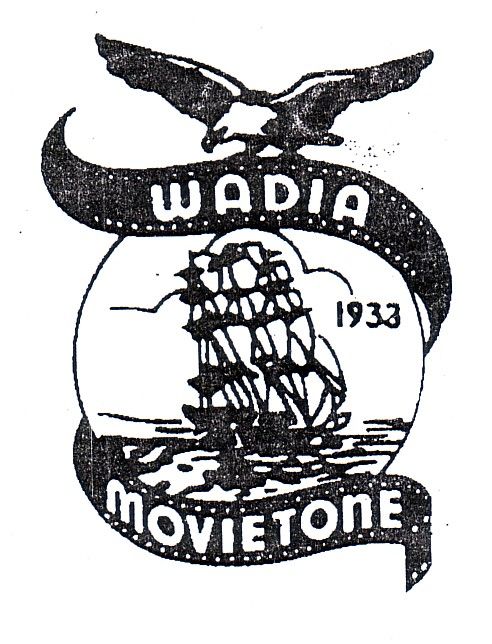
Jamshed Boman Homi Wadia, known as JBH, was only 12 when Dadasaheb Phalke exhibited Raja Harishchandra, but spent his youth captivated by the Hollywood films that were becoming an increasingly common form of entertainment in Bombay.   Though well-educated as a lawyer JBH horrified his family with his announcement that he intended to make films for a living.  He quickly found work with the then prominent Kohinoor Studios producing a dozen films for the studio, some of which saw moderate success. But being an entrepreneur JBH didnโ€™t want to work for anyone else, so, joined by his younger brother Homi, launched his own studio, Wadia Movietone in 1933, retaining the family’s shipbuilding past as part of the studio’s logo.

The brothers became icons of the early Indian film history and throughout the 30s and 40s Wadia Movietone was the most profitable of all Indian filmmaking enterprises.

Wadia Movietone studios was financially backed by several other Bombay Parsi families-including the famous Tatas-and grew into one of the most successful and consistently profitable studios of the 1930s. The brothers were basically in love with stunts and action.  They especially adored derring-do characters like Zorro and Robin Hood played by Douglas Fairbanks Jr, and blatantly copied many of Fairbanksโ€™ movies for Wadia Movietone.  When Fairbanks visited Bombay, JBH made sure the actor visited his own studio; so impressed was his American idol that Fairbanks agreed to sell the Indian rights of his mega hit Mark of Zorro to Wadia Movietone.

The brothers proudly low-brow fare of fistfights, speeding trains and masked heroines dominated Indiaโ€™s box offices throughout the 30s and became the most popular genre in India at the time. Sadly, as film historian Rosie Thomas states, Indian โ€œfilm history was rewrittenโ€, by starchy Hindu nationalists who objected that stunt films did not inspire sufficient pride in Indiaโ€™s Hindu classical past.   The whole stunt movie genre was effectively eliminated from most histories of Indian film giving virtually all attention on the more staid and far less fun, middle-class targeted โ€˜socialโ€™ melodramas focusing on family and relationships.  

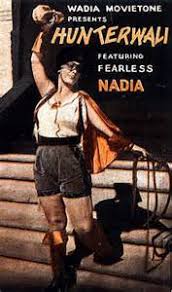
At their height, however, the Wadia brothersโ€™ studio was the rage of the box office. Their greatest success was without a doubt a series of action films which in todayโ€™s parlance might be called a franchise, starring a stunning white woman they billed as Fearless Nadia.

Mary Evans, a West Australian girl of Scottish-Greek extraction, moved in 1911, at the age of three, to India where her father served with the British army.  Settled and schooled for several of her early years in Bombay, Evans father was killed in 1915 while fighting in France and eventually moved to Peshawar to live with an โ€˜uncleโ€™ who in fact was a friend of her deceased father.  It was the wilds of the NW frontier of India that stimulated Maryโ€™s tomboy personality to blossom.  She discovered a love for the outdoors, sports and horse riding and with a mother who had once been a belly dancer, found herself singing (often bawdy songs) and dancing on stages across the NW and Punjab.  Between 1927 and 1934, Mary performed as a dancer and singer in various troupes and circuses as well as a solo performer, travelling across the Indian subcontinent performing for wealthy maharajas as well as illiterate labourers.  It was a risky job for a slightly big boned, well-built blonde-haired woman, travelling (often) alone across India, speaking only English and Greek, working at night in (often) seedy venues but it was one that seemed to suit her. When an Armenian fortune teller predicted a bright career for Mary, they used tarot cards to select a stage name, eventually settling on Nadia.

Mary Evans aka Fearless Nadia

Sometime in the early 1930s, a Mr. Langa, the owner of Lahoreโ€™s Regent Cinema, saw one of Maryโ€™s stage shows. Given that cinemas in those days regularly booked dance troupes to complement the movie, it is possible Langa hosted Mary at the Regent itself.  Whatever the circumstances, Langa was taken by her presence and striking looks. He offered to introduce Evans to a friend of his, someone named JBH Wadia, who ran a movie studio in Bombay. Was she interested?  With sparkling blue eyes and blonde hair, Nadia hardly fit the bill as the ideal Indian woman but she was not alone. Throughout the silent era and even into the age of Talkies, many of Indiaโ€™s initial generation of female starlets were in fact Anglo-Indian (mixed European and Indian heritage), European and Jewish women. At a time when acting was considered a dishonourable career by most Indians, non-Indian women felt less inhibited socially to take to the stage. Most adopted Indian stage names and worked hard to improve their unmistakably foreign accents.  Still, the basic assumption was that actress was a synonym for prostitute.  German film historian, Dorothee Wenner, whose biography of Evans, Fearless Nadia, sums up the situation as follows:

The connections between theatre, dance, music and prostitution remained so closely entwined well into the twentieth century that any official attempt to limit prostitution simultaneously represented a threat to the dramatic arts. The consequences for cinema were first felt by the father of Indian cinema, D.G. Phalke. He knew that filming made different demands on the realism of scenes than the stage did and therefore he wanted a woman to play the female lead in his first film Raja Harischandra. It was 1912 when he went looking around the red-light district of Bombay for a suitable performer. Although the impoverished director offered the few interested parties more money than they would normally earn, all the prostitutes turned the film work downโ€ฆit was below their dignity!โ€[2]

When they met, Wadia immediately understood Evansโ€™ appeal and potential. He suggested that the Australian change her name to Nanda Devi and wear a plaited dark wig. But Mary refused.  โ€œLook here Mr Wadia,โ€ she said, undeterred of her future employerโ€™s power or status, โ€œIโ€™m a white woman and Iโ€™ll look foolish with long black hair.โ€ As for the name change, she scoffed. โ€œThatโ€™s not in my contract and Iโ€™m no Devi! (goddess)โ€ She pointed out that her chosen stage name, Nadia, resonated with both Indian and European audiences, and also just happened to rhyme with his own name, Wadia. JBH, not used to be spoken to so boldly by an employee, let alone a woman, figured she just might have what it takes to make it in the movies. He hired her on the spot.

An agreement was reached and in 1935 the brothers tested her in a couple of small roles in two films. Her charisma, not to mention her stunning and exotic looks, were obvious. She stood out like a ghost at midnight. Immediately, she was offered the lead in a Zorro-like picture called Hunterwali (Lady Hunter) which became a smash hit and is now considered one of the most significant milestones in South Asian film.   The Wadia brothers had been unable to find a distributor for their extravagant production. Most considered it too radical and unsuitable for local tastes. A white masked woman, cracking a whip, smashing up villainous men, riding a horse and sporting hot pants that revealed her very white fleshy thighs? Absolutely not!

Unbowed, the brothers pooled their resources and sponsored the filmโ€™s premier at the Super Cinema on Grant Road, on a wet June evening in 1935. This was make or break.  The Wadias believed in Nadia even though everyone else did not.  Not without a little trepidation rippling through the cinema the lights dimmed and the show began. Fifteen minutes in, as Nadia pronounced that โ€˜From now on, I will be known as Hunterwali!โ€™, the working class male audience stood up, cheered and clapped and in their own way pronounced the coronation of the Queen of the Box Office, a title she would hold for more than a decade.

The Wadiaโ€™s, as indeed most of their countrymen and women, were politically active (supporting Independence from Britain) and socially progressive. They championed womenโ€™s rights, Hindu-Muslim solidarity and anti-casteism.  Though official censorship prohibited open discussion of these themes the Wadias made sure their superstar made casual references to them. As Nadia herself said, โ€œIn all the pictures there was a propaganda message, something to fight for.โ€[3]

The girl from Perth via Peshawar and Lahore, was now a superstar of action and stunt film with millions of fans.  Known and billed as Fearless Nadia she insisted on doing all her own stunts be it fistfights on the top of a fast-moving train, throwing men from roofs or being cuddled by lions.  She starred in nearly 40 pictures most made by the Wadia brothers (she married Homi in 1961) with such fantastical titles as Lady Robinhood, Miss Punjab Mail, Tigress, Jungle Princess and Stunt Queen.

In 1988 a version of Hunterwali, perhaps the most famous of all of Nadiaโ€™s films was released in Pakistan, starring Punjabi movie icons, Sultan Rahi and Anjuman.


[1] A highly critical and strategic role that oversaw ship design and construction but innovation, compliance with international shipping regulations and development of the shipbuilding industry.

[2] Wenner, Dorothee. 2005. Fearless Nadia: The True Story of Bollywoodโ€™s Original Stunt Queen. Penguin. Pg. 79.

[3] Thomas, Rosie, โ€œNot Quite (Pearl) White: Fearless Nadia, Queen of the Stuntsโ€, in Bollyword: Popular Indian Cinema through a Transnational Lens, ed. Raminder Kaur & Ajay J Sinha (New Delhi: Sage Publications India Pvt Ltd, 2005) 35-69.

Punch Houses to Parsi Theatre

Lollywood: stories of the Pakistani film industry

From Punch houses to Parsi Theatre

Though the early years of the East India Company are remembered in history as a time when hundreds of British men came to India and rapidly became very wealthy, life in a small up-country district was tough. Though the British public, to the extent they had time to care, resented the new โ€˜nabobsโ€™ who returned home to England full of ill-gotten wealth and social swagger, relatively few servants of the company actually made fortunes. Many stayed on in India after their tours setting themselves up as indigo planters or scrounging for work in the big cities. For those not part of the elite โ€˜Covenanted Officerโ€™ class which included most non-Indians, the Englishmanโ€™s daily round involved three essential things: work, avoiding illness and drink, with the last usually combined with the first two. Alcohol consumption was both a way to stay aliveโ€“especially since local water supplies were contaminatedโ€”and a way to pass the time.  The highest rungs of British society had access to a variety of European wines, porters and spirits.  The sailors, soldiers and planters, on the other hand, could mostly only afford locally brewed (and occasionally, deadly) concoctions that mixed ingredients like coconut spirits, chillis and opium.  

Though the origin of its name is contended (does it refer to the 500 litre wooden barrel that held it, known as a โ€˜puncheonโ€™ or to the Hindustani word, panch, for the number 5, the number of ingredients) punch was an alcoholic innovation invented in India by early European residents who wanted a lighter, sweeter drink than the local spirits or fiery rum. ย Experimentation found that by mixing rum or arrack,ย sugar,ย lemon/citrus juice, rosewater andย spices in water a very tasty and potent beverage emerged. As early as the 1630s, Englishmen were writing home about this new drink they called โ€˜punchโ€™. ย When the Companyโ€™s ships returned from India loaded with exotic luxuries, the shipsโ€™ crew and locals enjoyed evenings together drinking Punch on the docks. Though the many of the individual ingredients (lemons, nutmeg) were expensive in Britain, punch became โ€˜the tipple of choice for English aristocratsโ€™ for the next hundred years and since then has become a regular offering at parties, weddings and even church potlucks across the English-speaking world.

In India, however, the grimy taverns where such alcoholic drinks were sold became known as punch houses.  Not dissimilar to the famous jook joints in the southern United States, famous for their cheap booze and violence, punch houses were perfect venues for drinking binges, rowdy roughhousing, fisticuffs and whoring by bored sailors, down on their luck Europeans and soldiers. Indeed, one Englishman summarised the entertainment available for the British lower classes in India as amounting to โ€œdrinking hells, gambling hells or other hells.โ€  For the upper-class elite, punch houses were a definite โ€˜no goโ€™.

By the early decades of the 19th century this public drunkenness and violence was so pervasive in the three colonial cities as well as smaller outposts across the country that the authorities grew increasingly alarmed at the damage such behaviour was doing to the image of European and Christian superiority. Serial campaigns were launched. Multiple strategies tested. Workhouses were built, as were insane asylums. Forced religious conversion was tried out, so too was jail time.  None was very successful and the problem of European drunkenness remained forever an embarrassing black spot on the rulers publicly promoted sense of moral superiority.

Though alcohol abuse remained a problem among the British, over time the raw violence of the punch house gave way to other forms of entertainment. Musical evenings, card games and regularly scheduled visits to other European homes were popular among the โ€˜betterโ€™ classes.  The rowdier types (i.e. drunken sailors high on Punch) were drawn to disrupting dramas and causing havoc at dramatic performance at a number of theatres that began to pop up across Bombay.   

Bombayโ€™s first theatre opened in 1776, situated on a space known as โ€˜The Greenโ€™ surrounded by other official buildings. The Bombay Theatre, as it was christened, catered to officials and their families and staged performances by amateur drama enthusiasts from among the European community. It experienced a difficult life through the early years of its existence and ultimately stood shuttered and unused for many. It was eventually bought by the cityโ€™s post prominent businessman, Jamsetjee Jeejeebhoy, a Parsi opium and shipping magnate, who never bothered to reopen it.

By the mid 1840s, the city was wealthy and large enough (thanks in large part to the illegal trade of opium smuggling) to demand better entertainment. Wealthy Indians, again mostly Parsis, championed theatre building as an important part of their civic duty which grew to include funding public charities, colleges and museums. The Grant Road Theatre opened on the northern edge of the city in 1846, at the time, quite a distance from the Fort area inhabited by the elites of the Company. Though opened with an eye on that market few English found the prospect of travelling into underdeveloped outer suburbs, where hygiene and other surprises lay in wait, attractive. Very quickly the financiers opened the halls to local artists who staged plays in Bombayโ€™s most widely spoken languages, Gujarati, Urdu and Hindi.

Somnath Gupt, who wrote a history of Parsi theatre summed up the transition this way. โ€œAs long as it was patronized by the governor and high-level officials, the theatre was frequented by people of good family. Because of the location on Grant Road, however, their attendance decreased. Some Christian preachers also opposed the theatre as depraved and immoral. The Oriental Christian Spectator was chief among those newspapers that wrote in opposition to Hindu drama. In consequence, the theatre was attended by sailors from trading ships, soldiers and traders. A low class public came and made the theatre foul-smelling with their smoking. The performances began to start late, and etiquette deteriorated.  Drunken sailors and soldiers behaved rudely with the women. It began to be necessary to bring in the police to keep order. This audience wasโ€ฆinherited by the Parsi theatre.โ€[1]

Grant Road Theatre, Bombay ca 1860

The Grant Road Theatre hosted international troupes enroute to and from Australia when they showed up but the 1850s saw Parsi-owned theatrical troupes mushroom to fill the supply of plays, actors and audiences. Based on the European proscenium-style theatre that featured a huge arch over the stage as a frame for the action, the Parsis saw the theatre as a way to both entertain and educate Bombayโ€™s growing middle class.

What quickly became known as Parsi theatre was an instant hit.  The plays set the imagination of Bombay-ites on fire.  Many of the plays were wildly popular, running to packed houses night after night for years on end. A whole new class of Parsi actors, playwrights, directors, composers and producers grew up, many of whom moved seamlessly into the film world in the early 20th century. Many companies toured the countryside, not just around Bombay but to far flung parts of the interior and even to places as far away as Sumatra, Malaya, Burma and Ceylon. Drawing on local talent and tales from Hindu, Islamic and Persian epics, Parsi theatre became a uniquely Indian and lively form of entertainment many aspects of whichโ€”song, dance, bawdy humor, melodramaโ€”were directly absorbed by the subcontinentโ€™s early film makers.

Along with the companies and cohort of professional players, more theatres were built with names like the Elphinstone, Gaiety, Novelty and Tivoli. The staging of dramas was by the 1870s and 80s a huge part of Bombayโ€™s entertainment scene. Jamshedji Framji Madan โ€œ๏ปฟthe Parsi actor-turned-wine merchant-turned owner of the largest chain of theatres and cinemas in India in the first three decades of the 20th centuryโ€[2] exemplifies the central role the Parsi community played not just in whetting the Indian appetite for staged comedic and dramatic entertainment in purpose built buildings, but of leading the transition from Parsi Theatre to what would become one of the most consequential film industries the world has ever seen.

J.F. Madan

Madan started his career in the theatre first as an actor but he made a considerable fortune in y securing large contracts to provision British troops with the wine that the governing classes so condemned for corrupting Her Majestyโ€™s troops.  Sensing greater opportunities in the capital of British India, Calcutta, and loaded with money from his wine-provisioning business, Madan in 1902 set up a diversified business group, J.F Madan & Co., with interests in everything from insurance to film equipment and real estate.  He also began buying up Calcutta theatres (the Alfred and the Corinthian) where playwrights including Agha Hashr Kashmiri, aka Indiaโ€™s Shakespeare, plied their trade. Kashmiri, though from Banaras, moved to Lahore in his later years where he also wrote for films, an early example of the cross fertilisation of cinematic talent between India and what would soon become Pakistan.

Immediately after arriving in Calcutta, he set up the โ€œ๏ปฟElphinstone Bioscope Company and began showing films in tents on the Maidan before opening the first dedicated movie house in Calcutta, the Elphinstone Picture Palace.โ€[3] The venue not only was Calcuttaโ€™s and Indiaโ€™s first dedicated movie hall but marked the beginning of Indiaโ€™s first cinema hall chain.  In 1917 his company, Far Eastern Films, partnered with Maurice Bandman, an American entertainment magnate based in Calcutta to distribute foreign films in India. ๏ปฟ ๏ปฟโ€œIn 1917 his company Madanโ€™s Far Eastern Films joined forces with Bandmann to form the Excelsior Cinematograph Syndicate dedicated to distributing films as well as owning and managing a chain of cinemas. In 1919 Madan, like Bandmann, floated a public company, Madan Theatres Ltd, which incorporated the other companies. It was this company that formed the basis of the remarkable growth of the Madan empire.โ€ Madanโ€™s multiple interests in theatre and commerce led him to producing his own films, including the first commercial length feature in Bengali, Bilwamangal (1918).

Title page of a programme of the Empire Theatre Calcutta, the headquarters of Maurice Bandman’s theatrical company and his touring circuit. It was modelled on the Gaiety Theatre in London.

Madanโ€™s strong commercial eye recognized that the medium would need its own venues and screening halls, rather than relying on established theatres.  By 1919 the Madan Theatres Limited was in business and set to become India’s largest integrated film production-distribution-exhibition company with assets located not just across India but in Ceylon and Burma as well.  Madan issued shares that generated Rs. 10 million and through effective management practices was able to procure a huge number of theatres across South and SE Asia. Though film making was picking up steam in India, the vast majority of films shown were foreign.  In 1926 only 15% of films were Indian. 85% were foreign, mostly American, movies. By partnering with the French company ๏ปฟPathรฉ Madanโ€™s theatres were to a significant degree responsible for creating an audience for American and European films in India by importing and screening Hollywood films, such as the Perils of Pauline, The Mark of Zorro and Quo Vadis.

By the mid-1920s Madan controlled half of all revenues from the Indian box office and owned 127 movie houses.  His hiring of foreign directors such as the Italian, Eugenio De Liguoro who directed 6 films for Madan Theatres, gave many of his films a sheen of expertise and craft that was not yet visible within local ranks.  In essence, Madan had monopolised Indiaโ€™s nascent film industry.

**

The Lumiere brothers may not have understood the commercial viability of their inventions but it seemed that many Indians did. The great colonial cities of Bombay and Calcutta both quadrupled in size between 1850 and 1900 to be home for nearly 1 million people. Bombay and Calcutta were now world cities.  It was not surprising that this most modern and hypnotic of new technologies would catch on in places like this.  But Bombay, Calcutta and Madras were not alone.  Far to the West, on the far frontier of British India another city was starting to make waves in the movie world too. 


[1] Hansen, Kathryn. (Translator) 2001, โ€œThe Parsi Theatre: Its Origins and Development (Pt 2).Pdf.โ€

[2] Balme, Christopher. 2015. โ€œManaging Theatre and Cinema in Colonial India: Maurice E. Bandmann, J.F. Madan and the War Filmsโ€™ Controversy.โ€ Popular Entertainment Studies 6: 6โ€“21.

[3] Ibid.

Chapter Two: Of Tea and Opium

Lollywood: stories of Pakistanโ€™s unlikely film industry


Of Tea and Opium

That movies were instantaneously embraced in the new, purpose-built metropolises of British India is no surprise. Bombay, Calcutta and Madras were the throbbing hubs of an expansive world power at the peak of its self-belief. These great new empire cities were magnets for people of all persuasions, creeds, backgrounds and regions. The only requirement to be a success in this brave new world was to be open to new ideas.  And quick on your feet. Being coastal cities, the three great colonial cities served as entrepรดt  to the Jewel in Queen Vicโ€™s crown, guarding and servicing the shipping lanes which were the new global trade routes that connected an expanding Europe with the wealth of Africa and Asia.

And not just Indians, but people from all over the world sought their chances in Indiaโ€™s boom and bust emerging economy.  Armenian merchants, American missionaries, German scholars as well as businessmen, administrators and artists of all types and nations including some of America and Europeโ€™s finest jazz men and women, all sensed that Bombay and Calcutta were the place to make their names and fortunes.  The cities were linked not only to Paris, London and New York but other colonial metropolises like Shanghai, Johannesburg and Singapore. The cities were part of a new international order tied together by a globalizing modern culture in which film was the shiniest element.

Built on marginal landsโ€”often, malarial swampsโ€”and leased by the British East India Company from local rulers, Madras, Calcutta and Bombay were in conception and culture European cities. They just happened to be located in Asia.  Their European quarters and administrative districts were laid out like European cities and they looked outward, to the future for inspiration.  What happened in the mofussil (interior, countryside) across the vast plains of India was of interest only to administrators and scholars. In 1857, after a brutally fought war launched from within the East India Companyโ€™s own Indian troops, the British crown took direct control of India from the East India Company and ushered in a century of high imperialist rule.  To the British administrators in Calcutta and London 1857 marked the end of Indian history.  Henceforth, under their enlightened stewardship, India would exemplify the very best of Britainโ€™s civilizing Will. The great Indian past would now be an object of wonder best gawked at in museums. And the great cities of Bombay, Madras and Calcutta were the ultimate symbols of Lightโ€™s victory over Darkness.

Though the absolute number of Europeans and non-Indians living in India was was its peak in 1911, it never exceeded between 150,000-200,000 depending on how you identified the various groups. The population of India in 1911 was about 300 million souls. Even though Europeans counted for less than 1% of the population their presence had a massive impact on the culture of the cities. Christian missionaries influenced the way Hindus and Muslims understood and organised themselves.ย  Religious groups like the Arya Samaj and Brahmo Samaj, adopted reformist, educational and progressive social agendas that were in form if not doctrine heavily influenced by similar movements in Europe and North America.

Educational systems and curricula that emphasised Western sciences and philosophy and cultural institutions that pumped new, so called modern ideas and technologies into the daily lives of Indians sprang up.ย  The new trade of journalism was quickly embraced by writers, marking the beginnings of modern Indiaโ€™s lively, vibrant press. The publication of the Urdu novel Umrao Jan Ada in 1899 was the first in what would be a glorious and still current run of South Asian prose writing.ย  After some initial resistance, musicians realised they could reach a much bigger audience by recording their music on phonographs and radio.ย  In a relatively short space of time economically empowered Indians in the major coastal cities became both the consumers of new technologies and creative adapters of tradition.ย 

**

 The Parsis, Zoroastrian refugees from Persia, had been settled in Gujarat for centuries by the time the British took possession of a swampy, malarial set of islands from their imperial rivals, the Portuguese. The seven islands were known collectively as Bombay and with the establishment of a British fort, the settlement began to draw migrants from the hinterland. Dorabji Nanabhoy, the first Parsi to make Bombay his home arrived in 1640 but he was joined by a steady stream of thousands of others, mainly weavers and artisans from upcountry Gujarat, who began transforming themselves into one of Indiaโ€™s elite and most influential business groups.

An entrepreneurial community with a sense of adventure, the Parsis had been engaged with Europeans before the British became the dominant Western power in India. Joining Dutch and Portuguese traders operating out of Gujarati ports like Surat and Khambay in the 17th century, they showed themselves to be expert traders and developed a refined taste for European luxury goods.ย  The East India Companyโ€™s trade with China began in the early 18th century and immediately a number of Indian traders, including two Parsi brothers, Hirji and Mancherji Readymoney, established themselves in Canton.ย  Of all the groups it was the Parsis who were the most successful. By the early 19th century they dominated the China trade; nearly half of all the Indian trading companies in China were Parsi owned.

The only product that really mattered in the China trade was tea. Initially the British offered English wool and Indian cotton for the little black leaves which had taken Blighty completely by storm from the day it was first introduced in the late 1650s–just about the same time the East India Company was setting itself up in Bombay.ย  Sensationally, tea became the single biggest import into Britain during the late 17th century. Though at first it was the exclusive drink of the aristocracy and royal family by the mid-1700s it was the undisputed national drink, displacing the traditional gin and beer whose declining sales alarmed the King who personally and financially depended on the taxes from these drinks. More than 2000 tea shops sprang up in London alone.ย 

But wool–heavy and hot–did not exactly suit the Chinese climate and was rejected by the Chinese who, upon the Emperorโ€™s orders, demanded silver in exchange for their liquid gold.ย  The Company had no option but to oblige and approached the government for access to the countryโ€™s silver stocks.ย  So insatiable were the appetites of both English tea drinkers and the Chinese merchants, that the tea trade came dangerously close to draining the English treasury of its bullion reserves and seriously jeopardising the English economy. Despite the best efforts of Parliament to legislate away the negative impacts of the tea crazeโ€”including slapping a 119% tax on tea which only opened the way for smugglers to set up elaborate networks up and down the countryโ€™s bounteous coastline– by the early 1700s it was obvious that the East India Company would need to find something far more sexy and attractive than tweed and wool toย  offer the Chinese hongs (licensed traders).ย ย 

The Dutch had been peddling Indian opium across SE Asia and China where it had been valued as both a medicine and recreational narcotic since the mid 1600s.  The Dutch had invented the long opium pipe which made the smoking experience far more potent and addictive than eating opium which was how Indians preferred to consume the drug. It was the long pipe that proved so deadly to the Chinese population and that caused so much havoc over the next centuries. 

By the mid-18th century with the opium fields of Bihar and Bengal firmly within their control, the East India Company (EIC) took its first steps into the opium trade and was rewarded with instant success.ย  The company quickly established a monopoly on Indian opiumโ€”claiming a right that the Mughal Emperor Akbar had initially established–and watched their main city Calcutta and British power surge beyond imagination as the product was introduced as a new currency in the tea trade.

The importation of opium had been banned by the Chinese Emperor for a hundred years by the time the British entered the racket. And as the EIC had multiple interests in China it arranged for the opium to be sold to licensed third partiesโ€”many of them Parsisโ€”who stored the narcotic in British-controlled warehouses along the SE coast near modern Guangzhou. Corrupt hongs completed the transaction by smuggling the narcotic into the countryside beyond the British zone. As one writer summed up the neat arrangement, โ€œthe British East India Company was thus able to deny responsibility for importing opium and retain its other trading rights with China.โ€ย  But still reap incredible profits from the trade.ย  By the early decades of the 1800s, China was home to millions of addictsโ€”some estimate as many as 10-12 millionโ€”and the once shaky, threadbare English Exchequer was bursting with opium derived revenue. Ten percent of all British tax revenue came from the trade and as for the EIC, with 16% of its entire revenue coming from this single source, the further conquest and development of the Raj in India was secured.

But on the western coast of the subcontinent, Bombay, a lonely, underdeveloped and rather neglected British settlement struggled to justify its existence.ย  While Bombay enjoyed one of the great natural harbours in Asia the political realities of strong regionalโ€”mainly Marathaโ€”Mughal successor states in western and central India meant that the EIC was unable to find a political or economic footing.ย  The EIC chiefs in Calcutta and London had grown weary of Bombayโ€™s drain on Company subsidies. As Gov. General Cornwallisโ€™ (the very same who had surrendered to George Washington a few years prior) complaint to Prime Minister William Pitt shows, were the Company was even ready to abandon Bombay as a city.

 โ€œI have reflected most seriously and have conversed with the most sensible men in this country, on the utility of the civil establishment at Bombay and I am perfectly convinced that the Company derive no benefit from it.โ€

Something had to be done. If Bombay was to survive, a source of revenue had to be secured. And quick. At last, in the late 18th century, Dame Fortune smiled and caused the political winds to blow in such a way that the Company was able to exercise indirect control of large parts of the hinterlands to the north of Bombay, including the central Indian opium producing area of Malwa.ย  Though the Company still held a monopoly on the cultivation and production of opium in the east region of India, in Bombay, unlike in Calcutta, the Company made the decision to not take a direct role in the actual transport and sale of opium to China. This it left to local enterpreneurs, among which a number of Parsis immediately came to prominence, including the first Indian to be knighted, Sir Jamsetji Jejeebhoy.ย 

The Chinese Emperor, alarmed at the havoc opium continued to wreak upon his people, despite repeated bans on its import, began in the 1830s to make moves to crack down on the trade. Traders were forbidden from repatriating their profits to India.ย  Tensions were rising between the Emperor and western nations, that now included American trader/smugglers (including the forebears of a certain Franklin Roosevelt).

In March 1839, the governor of Canton forcibly confiscated and destroyed 1.2 million kgs of Indian opium held in the tradersโ€™ warehouses.ย ย  Jejeebhoy, Readymoney and the other Parsi and Indian traders could do nothing as they watched 500 Chinese laborers work for 23 days straight mixing their precious opium with lime and salt and tossing it into the sea. In all, not one rupee of compensation was paid. Incensed that an Asian despot would dare threaten their smuggling operation so dramatically the British navy immediately launched an attack in what has become known as the First Opium war.ย  The war ended in the defeat of the Chinese three years later. The British received Hong Kong as part of the settlement,ย  from where the smuggling operations continued for years to come.

The disruptions of the Opium Wars caused many Parsi families to diversify their interests. Given their background as producers of fine textiles many Parsi opium lords switched to cotton production thereby establishing the mills of Bombay as major world players.ย  In the 1860s, when Civil War in the United States temporarily interrupted the global supply of cotton, the Parsi Sethias happily filled the gap and reaped yet another windfall.ย  By this time the Parsis were the wealthiest and most influential group in Bombay. They used their fortunes made in China and cotton to go into banking and insurance and played a critical role in establishing Bombay as Indiaโ€™s financial capital. The Sethias (a professional name often used for powerful businessmen) in fact, laid many other foundations of modern Bombay: its culture of philanthropy, its museums, educational and social institutions, its wealth and its world of entertainment.

Jamsetjee Bomanjee Wadia (1756-1821) painted by J. Dorman. The Wadias were for many years one of the most influential and powerful Parsi families in Bombay and played a significant role in the development of the South Asian film industry.